aus e-mail von Alfred Müller, 7. Jannuar 2023, 17:56 Uhr
Leserbrief zum HAZ-Artikel „Sparkasse unterstützt fünf Tafeln in der Region mit insgesamt 100.000 Euro“, v. 6.1.23
Eine verkehrte Maßnahme In Deutschland steigt die Armut von einem Rekord zum anderen — hinter jeder dieser Zahlen steht ein individuelles Schicksal. Doch dies muss nicht sein. Gegen Armut hilft Geld. Diese Weisheit ist über ein höheres Bürgergeld, höhere Renten, Abschaffung des Niedriglohnsek- tors, gesicherte Arbeitsplätze und eine bessere Entlohnung in die Praxis umzusetzen. Wer ein ausreichendes Einkommen hat, ist nicht gezwungen, sich über Armenspeisungen durch „Tafeln“ erniedrigen zu lassen und seine Würde und Wertschätzung zu verlieren. Die Expansion der Tafeln ist nicht nur Ausdruck der steigenden Armut, sondern ebenfalls unzureichender Sozialleistungen des Staates und Lohnzahlungen der Unternehmen. Es besteht eine Abwärtsspirale, die nichts mit konjunkturellen Schwankungen und der Inflation zu tun hat, sondern in unserem Wirtschaftssystem immer schon eingebaut war und ist. Mit dem Pro- duzieren von privatem Reichtum wird gleichzeitig Armut erzeugt und der wirtschaftliche Erfolg und die Konkurrenzfähigkeit der Unternehmen wird durch die Armut der Lohnabhän-
gigen erzielt.
Das, was die Ehrenamtlichen der Tafeln machen, ist eine ganz tolle und ganz wichtige Arbeit – und genau da fängt das Problem an. Die Tafeln beseitigen nicht die Armutsursache, sondern verlängern das Elend der Betroffenen. Sie verhindern eine bedarfsgerechte Mindestsicherung und reduzieren den Druck auf die Politik. Sie sind ein billiges Konzept der Nahrungsmittel- beseitigung und stopfen vorhandene Versorgungslücken. Sie sind kein zusätzliches Angebot der Armutslinderung, vernebeln den Anspruch auf ausreichende Einkommen und eröffnen den Bedürftigen keine verfügbaren Handlungsperspektiven. Seit Beginn der „Tafelbewe- gung“, die durch die großen weltweit tätigen Unternehmensberatungen ins Leben gerufen wurde, haben die staatlichen Stellen die Einrichtungen der Tafeln kräftig gefördert, auch um die Sozialleistungen möglichst gering halten zu können und die Unternehmen in ihren
Lohndruck zu unterstützen.
So lobenswert die Subventionszahlungen der Sparkasse sein mögen, sie setzen am verkehrten Hebel an. Das Geld sollte in andere wichtige Bereiche, wie die Klimaschutzpolitik, fließen und die Politik, die Sparkasse und die Gewerkschaften sollten sich für eine ausreichende
Daseinsvorsorge einsetzen.
Statt mildtätiger Gaben über „Tafeln“ muss die Armutsbeseitigung wieder in den Vorder- grund treten. Solidarisches und barmherziges Handeln bedeutet vor allem, dass man gegen die strukturellen Ursachen der Armut kämpft. Wer den Armen helfen will, sollte mit seiner Barmherzigkeit und seinem Mitgefühl die Wunden der Armen heilen und nicht das Elend der Bedürftigen verewigen. Der Zulauf zu den Tafeln ist nichts anderes als das Zeichen einer verfehlten Sozialpolitik und Wirtschaftsordnung. Damit alle Menschen in Deutschland genug zu essen und zu trinken haben, müssen wir eine menschenwürdige Wirtschaft aufbauen und die Menschenwürde in den Mittelpunkt stellen. Die ehrenamtliche Tafelarbeit und die Fördermaßnahmen dürfen nicht dazu dienen, wirtschaftliches und staatliches Versagen zu
kaschieren.
Alfred Müller, Hildesheim
06.01.2023
Deutsche Panzer an die Ostfront! / SPD-Kühnert Zeitpunkt ist klug
aus e-mail von Doris Pumphrey, 6. Januar 2023, 20:34 Uhr
konnte man erfahren: /„Die Analysen und Aufklärungsergebnisse, darunter
Geodaten, können in die Kriegsplanung einfließen und der ukrainischen
Armee dabei helfen, Kampfkraft und Moral russischer Einheiten
einzuschätzen oder ihre Stellungen zu überprüfen. Die Daten-Lieferungen
sind der geheimdienstliche Teil der Zeitenwende.
Die Informationen stammen vom Bundesnachrichtendienst (BND). Sie speisen
sich aus Satellitenbildern, abgefangenen Funksprüchen und
Mobiltelefongesprächen.“
/Außerdem will der BND überprüft haben, ob dieses Vorgehen eine deutsche
Kriegsbeteiligung bedeutet: „/Um sicherzugehen, gab der BND im Mai eine
Prüfung der „rechtlichen Zulässigkeit von Übermittlung targeting-fähiger
Informationen an die Ukraine“ in Auftrag. Ergebnis: Die Daten-Weitergabe
sei gesetzeskonform und bedeute völkerrechtlich keinen Kriegseintritt
Deutschlands.“
/Das Gutachten, dass der BND in Auftrag gegeben hat, würde ich gerne mal
sehen, denn offensichtlich kommt es zu einem anderen Ergebnis als das
Gutachten des Wissenschaftlichen Dienstes des Bundestages. Wie aktiv der
BND bei der Übermittlung der Informationen ist, haben wir auch erfahren:
/„Andererseits hören und sehen die Deutschen in der Ukraine Details über
die russische Armee, die den Ukrainern manchmal entgehen –
Satellitenaufnahmen eines russischen Flugfeldes etwa, bei dem der BND
die genaue Lage und Zahl der Flugzeuge erfassen konnte. Oder Hinweise
auf ein russisches Munitionsdepot. Aber weil die Daten oft mit der
Verzögerung von bis zu mehreren Tagen übermittelt werden, seien sie
„nicht unmittelbar“ für die Planung und Steuerung tödlicher Angriffe
nutzbar, heißt es in Berlin. Manchmal teilt der BND Satellitenbilder,
manchmal nur Textberichte über das, was zu sehen ist. Eine der Auflagen
lautet, nur Aufnahmen aus der Ukraine selbst zu übermitteln, keine aus
Russland. Insgesamt haben die Deutschen bislang weit mehr als hundert
Hinweise geschickt, im Schnitt mehr als einen pro Tag.“
/*Ist Deutschland Kriegspartei?
*Dass der BND damit zu weit geht, stand auch in dem Artikel:
/„Scholz geht mit der neuen Praxis ein erhebliches Risiko ein. Er bewegt
sich entlang einer politischen Kontaktlinie, deren genauer Verlauf nicht
bekannt ist – allein der russische Präsident entscheidet, wann er sie
für überschritten hält. (…) Intern haben sich die Deutschen von Anfang
an keine Illusionen gemacht, dass der diskrete Informationsfluss
verborgen bleibt. Das ukrainische Militär sei zu sehr von russischen
Informanten durchdrungen, als dass sich eine so wichtige Operation
verheimlichen ließe. Die Russen, heißt es in Berlin, wüssten längst
Bescheid.“
/Im Klartext bedeutet das, dass die deutsche Regierung bewusst volles
Risiko fährt und sich de facto an dem Krieg gegen Russland beteiligt
hat. Da sind die Lieferungen von Panzern gegen Russland nur konsequent.
Ob das allerdings eine gute Idee ist, steht auf einem anderen Blatt.
unser Kommentar: Als Information zur Kenntnisnahme, wobei für uns das kriegerische Geschehen, wie z. B. in der Ukraine, keinerlei Zustimmung bzw. Rechtfertigung erhält.

06.01.2023
Warum schweigt Merkel?
nachdenkseiten.de, 06. Januar 2023 um 8:27
Ein Artikel von
Ukraine: Milliarden und Waffen in ein Fass ohne Boden? Ein Zwischenruf von Oskar Lafontaine.
In Frankreich hat sich Pierre de Gaulle, Enkel von Charles de Gaulle, Bankmanager und Unternehmensberater, in einem erstaunlichen Interview zu Wort gemeldet: “Die öffentliche Meinung beginnt, sich des perversen Spiels und der Lügen der Amerikaner und insbesondere der NATO bewusst zu werden. Die Ukraine-Krise wird genutzt, um Europa zu destabilisieren . Die Kriegsauslöser sind die Amerikaner und die NATO, und ich möchte als Beweis die Äußerungen von Frau Merkel anführen, die sagte, sie habe nie die Absicht gehabt, die Minsker Vereinbarungen umzusetzen, die unterzeichnet wurden, um die Sicherheit der russisch-sprachigen Bevölkerung im Donbass zu gewährleisten .. Frau Merkel hat alles getan, um der NATO zu erlauben, die Ukraine zu bewaffnen, hat alles getan, um die Grundlagen für diesen Konflikt zu legen. Indem sie diese ukrainische nationalistische Expansion zuließ, hat sie zugelassen, dass 16.000 bis 18.000 Menschen bombardiert und getötet wurden.”
Der Enkel Charles de Gaulles stellt im Hinblick auf die Vorgeschichte des russischen Einmarschs richtigerweise fest, dass die Amerikaner und die NATO die Kriegsauslöser sind. Eine Feststellung, die in Deutschland sofort zum Vorwurf des Putin-Verstehers und zur Ausgrenzung aus dem politischen Dialog führen würde. Viel wichtiger ist aber der Vorwurf de Gaulles an Angela Merkel, sie habe zugelassen, dass 16.000 bis 18.000 Menschen im Donbass getötet wurden. Diese zweifelhafte Rolle Merkels, die sich aus ihrem am 7. Dezember von der “Zeit” veröffentlichten Interview ergibt, wird weltweit diskutiert und veranlasste Putin zur Frage, ob man im Westen überhaupt noch jemanden trauen und Vereinbarungen treffen könne.
Warum schweigt Merkel dazu?
In der Tat ist eine Mitverantwortung Deutschlands an der fehlenden Umsetzung des Minsker Abkommens nicht zu leugnen. Und sie ist ein weiterer Grund dafür, dass die Bundesregierung ihre US-hörige Politik aufgeben und auf einen sofortigen Waffenstillstand und Friedensverhandlungen drängen muss. Das umso mehr, weil auch der Bericht des europäischen Rechnungshofes vom September 2021 eine Änderung der Ukraine-Politik der Bundesregierung dringend erfordert: “Sachverständige schätzen, dass enorme Summen – in der Größenordnung von zig Milliarden Dollar – jährlich in der Ukraine aufgrund der Korruption verloren gehen.” Dazu kommen sich häufende Berichte, dass ein Teil der in die Ukraine gelieferten Waffen nicht bei der Armee ankommt, sondern auf den Schwarzmärkten der Waffenhändler verhökert wird.
Die zwingend notwendige Änderung der deutschen Ukraine-Politik mit dem Ziel, einen sofortigen Stopp der Waffenlieferungen, einer Waffenruhe und Verhandlungslösung, habe ich in einem Interview mit Radio München dargelegt.
Oskar Lafontaine, diese Regierung und der Ukraine-Krieg
radiomuenchen.net, 30: Dezember 2022
"Von deutschem Boden darf niemals wieder Krieg ausgehen", sagte einst der ehemalige Bundeskanzler Willy Brandt - heute liefert die Bundesregierung schwere Waffen in die Ukraine. Warum? Weil Deutschland ein Vasallen-Staat der USA ist. So die Analyse von Oskar Lafontaine in seinem aktuellen Buch „Ami, it´s time to go“, Plädoyer für die Selbstbehauptung Europas, das im Westend-Verlag erschienen ist. Der ehemalige Vorsitzende der SPD, Kanzlerkandidat, Bundesfinanzminister und Politiker der Linken plädiert für eine Selbstbehauptung Europas.
Hören Sie dazu unsere Autorin Sylvie-Sophie Schindler im Gespräch mit Oskar Lafontaine.
„Ami, it's time to go“, Plädoyer für die Selbstbehauptung Europas, ist im Westend-Verlag. Es hat 64 Seiten, kostet als Kindle 9 Euro 90 und als Paperback 12 Euro.
unser Kommentar: Als Information zur Kenntnisnahme, wobei für uns das kriegerische Geschehen, wie z. B. in der Ukraine, keinerlei Zustimmung bzw. Rechtfertigung erhält.
06.01.2023
Was steckt im Budget der geheimen DARPA-Agentur?
Die Defense Advanced Research Projects Agency (DARPA) ist als der berüchtigtste und geheimnisvollste Zweig des Pentagons bekannt.
Der Economist hat DARPA als die Agentur bezeichnet, „die die moderne Welt geformt hat“, und Wettersatelliten, GPS, Drohnen, Stealth-Technologie, Sprachschnittstellen, den Personal Computer und das Internet auf der Liste der Innovationen aufgeführt, für die „DARPA zumindest teilweise Anspruch erheben kann Kredit." Diese Technologien wurden ursprünglich für die militärischen Ziele des Pentagon erfunden.
DARPA hat die mRNA-Impfstofftechnologie von Moderna seit mindestens 2013 finanziert und technisch unterstützt. DARPA hatte auch langjährige Mitarbeiter und Partner am Wuhan Institute of Virology.
Ein Blick auf ihr neues Budget gibt einen Einblick in das, was das US-Militär als Teil der Zukunft der Kriegsführung sieht.
Der Einsatz von maschinellem Lernen und künstlicher Intelligenz (KI) zur Manipulation von Informationen oder menschlichem Verhalten scheint für die DARPA nach dem Budget zu urteilen eine Priorität zu sein.
Ein Projekt namens AAI zielt darauf ab, die „Erleichterung der Bediener-Maschine-Schnittstelle, Wissensmanagement und -verbreitung sowie soziale Kontext-informierte KI-Prognose“ zu fördern. Das Projekt zielt auch darauf ab, einen „Fokus auf die Messung und Aggregation vorbewusster Signale und darauf zu legen, wie diese verwendet werden können, um festzustellen, was die Menschen für wahr halten“.
Das Projekt SemaFor ist für Hunderte Millionen Dollar vorgesehen und wird KI verwenden, „um falsche Informationen, ihren Ursprung und ihre Absicht zu identifizieren [Hervorhebung hinzugefügt]. Ein Projekt namens ASED entwickelt „Counter-Social-Engineering-Bots“. Eine kleine Beschreibung dieses Projekts wird gegeben.
Früher nur für Filme und Fernsehsendungen gedacht, plant DARPA, die Entwicklung einer Art „Strahlenkanone“ voranzutreiben. Project Warden ist mit Millionen von Dollar ausgestattet, um „die Reichweite und Tödlichkeit von Hochleistungs-Mikrowellensystemen und -waffen zu verstärken“.
Die Idee des Weltwirtschaftsforums der Technologie der vierten industriellen Revolution, die teilweise als Verschmelzung digitaler, technischer und biologischer Systeme definiert wird, wird auch im DARPA-Budget hervorgehoben.
In einem Projekt mit dem Titel „Rapid Healing for Warfighter Injuries“ plant DARPA, „künstliche Intelligenz zu nutzen, um physiologische Prozesse in komplexen Geweben vorherzusagen, zu stimulieren und zu kontrollieren“.
Das Projekt mit dem Codenamen „NSIA“ oder nicht-chirurgische Maschinenschnittstellentechnologie zielt darauf ab, „mehrere Informationskanäle in biologisches menschliches Nervengewebe einzugeben“. Die Beschreibung erklärt, dass sich diese derzeit in der „abschließenden Test-/Übergangsphase zur Implementierungsphase“ befindet.
Die Agentur plant auch, intelligente Geräte wie intelligente Uhren, Smartphones, intelligente Autos und intelligente Haushaltsgeräte, die auch als Internet der Dinge (IoT) bekannt sind, zur weiteren Spionage und Überwachung einzusetzen. zielt darauf ab, die Aufbewahrung (ständige Überwachung) von „Zielen“ in umkämpften Umgebungen zu erleichtern, „Schnittstelle zur IoT-Infrastruktur zur Ergänzung der Satellitenfähigkeit“.
Das ausgewählte Bild stammt von der Südfront
Die ursprüngliche Quelle dieses Artikels ist Rebel News
Starkes Zeichen für Frieden und AbrüstungIn über 30 Städten – von Hamburg bis München und Bonn bis Berlin – gab es am 20. November 2022 Friedensaktionen gegen den Krieg in der Ukraine und die Aufrüstung des Militärs.
Aufruf zum dezentralen Aktionstag für Frieden und ein gutes Leben für alle am 19. November 2022
Am 24. Februar 2022 begann die Invasion russischer Truppen in die Ukraine. Der Angriffskrieg hat zu zehntausenden Toten, hunderttausenden Verletzten und Millionen Geflüchteten geführt. Durch den militärischen Konflikt, der bereits 2014 begann, wurden zudem unzählige Gebäude und öffentliche Einrichtungen zerstört, Lebensmittel vernichtet und deren Anbau unmöglich gemacht.
Die deutsche Regierung hat als Reaktion auf die neuerliche russische Aggression wenige Tage nach Beginn der Angriffe ein 100 Milliarden Euro umfassendes Aufrüstungsprogramm für die Bundeswehr angekündigt. Dieses wurde mittlerweile per Grundgesetzänderung beschlossen. Mit jährlichen Ausgaben von 2% des Bruttoinlandsprodukts hätte Deutschland bald nominal den drittgrößten Militäretat der Welt – nach den USA und China.
Aufrüstung und Krieg lehnen wir ab
Diese Politik lehnen wir ab! Die Waffen müssen schweigen: Wir fordern einen sofortigen Waffenstillstand mit einem Rückzug des russischen Militärs aus der Ukraine. Es braucht Friedensverhandlungen: Wir fordern von der Bundesregierung, aktiv an einer diplomatischen Lösung des Konflikts zu arbeiten.
Kriege und bewaffnete Konflikte – wie beispielsweise auch die völkerrechtswidrigen Angriffe der Türkei auf kurdische Gebiete oder Aserbaidschans auf Armenien – verursachen weltweit unsägliches Leid. Wir fordern den Schutz von Menschen, die vor Kriegen fliehen, die Aufnahme von Militärdienstentzieher*innen, Kriegsdienstverweigerer*innen sowie Deserteur*innen und die Aufarbeitung von Völkerrechtsverbrechen.
Die aktuelle Rüstungsspirale, an der viele Staaten der Welt, darunter Deutschland, beteiligt sind, muss zum Wohle aller Menschen gestoppt werden. Denn jeder Euro, Dollar oder Rubel, der ins Militär fließt, fehlt im Kampf gegen globale Menschheitsprobleme wie die Klimakrise, Armut oder die Corona-Pandemie.
Die Klimakrise schreitet ungebremst voran – hierzulande bekam man die Folgen im vergangenen Dürre-Sommer deutlich zu spüren. Alle verfügbaren Ressourcen müssen deshalb für die Eindämmung des Klimawandels und dessen Folgen aufgewendet werden. Die Klimakrise, die Corona-Pandemie und die Folgen des Krieges in der Ukraine führen dazu, dass immer mehr Menschen unter die Armutsgrenze fallen – die gestiegenen Preise für Lebensmittel und Energie machen auch den Menschen in Deutschland das Leben schwer. Mit militärischen Mitteln lässt sich keines dieser Probleme lösen.
Werdet aktiv für eine friedlichere Welt
Wir wollen eine Welt, in der alle Menschen frei und sicher leben können. Wir rufen deshalb am Samstag, dem 19. November 2022, zu gewaltfreien und bunten Protesten gegen den russischen Angriffskrieg in der Ukraine und das Aufrüstungsprogramm auf.
Organisiert werden sollen dafür Aktionen und Proteste an den Orten, an denen über Aufrüstung und Kriege entschieden wird – zum Beispiel vor Regierungsgebäuden und den Büros der regierenden Parteien. In Innenstädten, vor den Fabriken der Rüstungsindustrie und vor Militäreinrichtungen soll unsere Wut und Empörung über die Profiteur*innen und Verantwortlichen des Krieges sichtbar und hörbar werden. Werdet aktiv am 19. November gegen Aufrüstung und Krieg und für Frieden und ein gutes Leben für alle!
Wer wir sind
Wir sind ein Bündnis zivilgesellschaftlicher Organisationen, stehen für Menschenrechte ein und sind solidarisch mit allen Menschen, die sich gegen Krieg einsetzen.
Für Menschen und Gruppen aus dem nationalistischen und antidemokratischen Spektrum ist auf unseren Aktionen kein Platz. Ebenso erteilen wir Menschen und Gruppen, die wissenschaftsfeindlich sind, die Journalist*innen angreifen, sowie Menschen und Gruppen, die Verschwörungsmythen anhängen und/oder Rassismus, Antisemitismus, Sexismus oder andere diskriminierende Botschaften verbreiten, eine Absage.
Die „Deutsche Friedensgesellschaft – Vereinigte KriegsdienstgegnerInnen“ (DFG-VK) kritisiert die geplante Lieferung von Panzern an die Ukraine: „Statt endlich die zivile Hilfe auszuweiten, werden immer mehr und immer größere Waffensysteme in den Krieg geliefert. Damit wird die Eskalationsspirale anngeheizt und der Krieg ausgeweitet“, kritisiert der DFG-VK-Bundessprecher
Jürgen Grässlin, Experte für Waffenexporte: „Deutschland muss mit aller Kraft zivil helfen!“
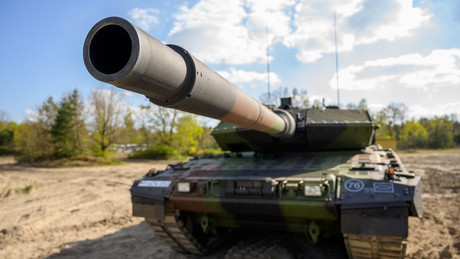
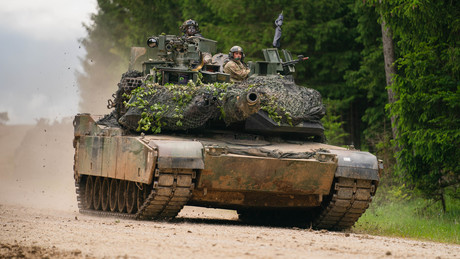
Nachdem Frankreich und die USA angekündigt haben, die Ukraine mit leichten Kampfpanzern zu beliefern, beabsichtigt nun auch die Bundesregierung weitere Waffen zu liefern, allen voran Marder-Schützenpanzer und Patriot-Flugabwehrsysteme. Die Ausbildung der ukrainischen Soldat*innen an den Waffen soll auf Truppenübungsplätzen der Bundeswehr stattfinden.
Seit Beginn des völkerrechtswidrigen russischen Angriffs hat Deutschland bereits MARS-
Raketenwerfer, Panzerhaubitzen 2000 und Gepard-Luftabwehrgeschütze an die Ukraine exportiert.
Dazu kommen noch 900 Panzerfaust 3 mit insgesamt 3.000 Patronen, 500 Flugabwehrraketen Stinger, 100.000 Handgranaten, 30.000 Schuss Munition für 40mm Granatwerfer, 13.500 Schuss 155 mm Artilleriemunition, 100 Maschinengewehre und vieles Kriegsgerät mehr. Alsbald sollen nun auch noch Marder- und Patriot-Waffensysteme folgen.
„Diese Waffenlieferungen folgen der immens gefährlichen Militärlogik beider Seiten, dass dieser Krieg militärisch zu gewinnen sei. Doch statt Öl ins Feuer zu gießen, sollte Deutschland endlich Friedensmacht werden“, so Jürgen Grässlin. Er kritisiert dabei die eklatante Vernachlässigung ziviler Hilfen durch die Ampelkoalition in Berlin: „In der Ukraine fehlt es an so vielem: Warum liefert die Bundesregierung nicht hunderte von Kranken- oder Feuerwehrfahrzeugen sowie Transporter und Material für den Wiederaufbau, sondern immer nur weitere Kriegswaffen?“
Das Bruttoinlandsprodukt der Ukraine ist im Jahr 2022 wegen des russischen Einmarschs um 30,4 Prozent gesunken. Die Infrastruktur des Landes wird von den russischen Angreifern zusammengebombt: „Wichtig wäre, auf dem Verhandlungsweg einen sofortigen Waffenstillstand zu vereinbaren und unter der Ägide der Vereinten Nationen ernsthafte Friedensverhandlungen aufzunehmen. Stattdessen spielt die Bundesregierung mit dem Feuer: Sie hat bisher nicht erklärt, wie lange und wofür die Ukraine die Waffen nutzen darf“, so Grässlin.
Die DFG-VK bemängelt zudem, dass es Männern im wehrfähigen Alter noch immer verboten ist, die Ukraine zu verlassen. „Das Recht, den Kriegsdienst zu verweigern, ist ein Menschenrecht“, macht Michael Schulze von Glaßer, politischer Geschäftsführer der DFG-VK aufmerksam: „Es braucht Schutz und Asyl für alle Menschen, die sich in den drei direkt am Krieg beteiligten Ländern Russland, Belarus und Ukraine dem Militärdienst entziehen!“ Weder die Bundesregierung noch die EU-Kommission hätten dafür ausreichende Schritte unternommen. Schulze von Glaßer verweist darauf, dass die Friedensorganisationen bereits 8.000 Euro zur Unterstützung russischer Kriegsdienstverweigerer*innen an eine finnische Partnerorganisation gespendet hat. Auch mit Kriegsgegner*innen aus Belarus und der Ukraine arbeitet die DFG-VK zusammen.
Jürgen Grässlin: „Mit den weiteren Waffenexporten wird der Krieg weiter eskalieren, das Kriegsende wird auf Jahre hinausgeschoben, zehntausende weiterer Menschen werden sterben, weite Landstriche der Ukraine werden zerstört und auf lange Zeit unbewohnbar.“ Die DFG-VK fordert daher den Stopp der deutschen Waffenexporte ins Kriegsgebiet zu Gunsten einer deutlichen Ausweitung der zivilen Hilfsmaßnahmen: „Wir stehen an der Seite aller, die sich dem Krieg verweigern. Wir begrüßen alle Aktionen der Sozialen Verteidigung. Und wir fordern den immensen Ausbau der zivilen Hilfe“, sagt Grässlin.Für das Wochenende vom 24. bis 26. Februar 2023, an dem sich der völkerrechtswidrige Angriff Russlands auf die Ukraine jährt, plant die DFG-VK gemeinsam mit vielen weiteren Friedensgruppen Protestaktionen unter dem Motto „Stoppt das Töten in der Ukraine – für Waffenstillstand undVerhandlungen!“. Weitere Infos gibt es am Montagabend – 9. Januar 2023 – auf: www.stoppt-das-toeten.de Für Interviews oder bei Nachfragen nehmen Sie bitte jederzeit Kontakt zu Jürgen Grässlin (Bundessprecher der DFG-VK, Sprecher der Kampagne „Aktion Aufschrei – Stoppt den Waffenhandel!“ und Vorsitzender des RüstungsInformationsBüros (RIB e.V.)) auf: Festnetz: 0761- 7678208, Mobil: 0170-6113759, E-Mail: graesslin@dfg-vk.de Deutsche Friedensgesellschaft – Vereinigte KriegsdienstgegnerInnen, Freiburg/Stuttgart 6. Januar 2023
Wer will am Tod verdienen? Die Rüstungslobby betreibt die Lieferung westlicher Panzer an Kiew. Auch Deutschland soll mit dabei sein. Dabei, so Uli Gellermann, sollte man es doch hierzulande eigentlich besser wissen: "Da war und ist nichts zu siegen. Da wartet der Tod."
"Stahlhelm auf zwei Beinen": Strack-Zimmermann mit dem ukrainischen Ex-Boxer Wladimir Klitschko im November 2022 in Berlin
Der Stahlhelm auf zwei Beinen, Frau Strack-Zimmermann von der FDP, barmt: "Lieferung des Leopard 2 dringend erforderlich". In ihrem Wahlkreis liegt die Firma Rheinmetall, die Firma, die am Tod verdient. Man liefert gern in die Ukraine. Ihre Kinder hat Frau Strack-Zimmermann noch nicht an die Ukraine-Front geliefert. Schade. Die Medien lieben Helden-Storys, auch Beerdigungen sind immer gut für die Auflage.
Französischer Panzer in die Ukraine
Auch die Franzosen haben eine Rüstungsindustrie. Auch die will am Tod verdienen. Da sorgt der französische Präsident schnell dafür, dass der flotte Radpanzer AMX-10 RC in die Ukraine geliefert wird. Der Panzer war schon im Irak-Krieg, im Kosovo-Krieg, im Afghanistan-Krieg und wird zurzeit im Mali-Krieg eingesetzt. Und vor allem: Der Panzer wird in einem Unternehmen hergestellt, an dem auch die deutsche Firma Rheinmetall beteiligt ist. So steuert die deutsch-französische Freundschaft auf einen Endsieg zu.
Wenn Macron was für den Kriegsumsatz tut, dann darf Scholz nicht zurückbleiben. Findet die Frau mit dem Stahlhelm: "Das vom Bundeskanzleramt ständig vorgeschobene Argument, Deutschland dürfe keine Alleingänge starten, ist absolut passé", sagt die Vorsitzende des Verteidigungsausschusses. "Frankreich übernimmt wieder einmal die Rolle, die von Deutschland erwartet wurde, und geht selbst voran." So spielt Strack-Zimmermann über Bande: Wenn Frankreich am Tod verdient, dann muss für deutsche Firmen auch was drin sein.
Dann ist unser Panzer ein ehernes Grab
"Deutschland muss endlich den Schützenpanzer Marder und am besten gemeinsam mit den europäischen Partnern den Leopard 2 liefern", röhrt Strack-Zimmermann und heizt die Rüstungsspirale an. Das Wort "endlich" sollte aufhorchen lassen. Heißt es doch im Panzerlied der Bundeswehr: "Trifft uns die Todeskugel, ruft uns das Schicksal ab, dann ist unser Panzer ein ehernes Grab."
Es krepieren immer die anderen?
Das "Panzerlied" hatte die Bundeswehr brav von der Nazi-Wehrmacht übernommen. Die kannte blutige Erfahrungen in Russland und der Ukraine. Da war und ist nichts zu siegen. Da wartet der Tod. Das ist den Rüstungslobbyisten scheißegal. Die denken, es krepieren immer die anderen. Dass ein Krieg mit Russland, und auf den steuern die Waffenlieferungen zu, in einen Weltkrieg führen kann, wollen die Strack-Zimmermanns und deren angeschlossene Medien nicht wissen. Das wird dann ein Krieg sein, in dem auch die verrecken. Wenn sie doch nur alleine wären.
Uli Gellermann ist Filmemacher und Journalist. Seine Erfahrungen mit den öffentlich-rechtlichen Sendern grundieren seine Medienkritik. Er ist Herausgeber der Internetseite RATIONALGALERIE.
RT DE bemüht sich um ein breites Meinungsspektrum. Gastbeiträge und Meinungsartikel müssen nicht die Sichtweise der Redaktion widerspiegeln.
Durch die Sperrung von RT zielt die EU darauf ab, eine kritische, nicht prowestliche Informationsquelle zum Schweigen zu bringen. Und dies nicht nur hinsichtlich des Ukraine-Kriegs. Der Zugang zu unserer Website wurde erschwert, mehrere Soziale Medien haben unsere Accounts blockiert. Es liegt nun an uns allen, ob in Deutschland und der EU auch weiterhin ein Journalismus jenseits der Mainstream-Narrative betrieben werden kann. Wenn Euch unsere Artikel gefallen, teilt sie gern überall, wo Ihr aktiv seid. Das ist möglich, denn die EU hat weder unsere Arbeit noch das Lesen und Teilen unserer Artikel verboten. Anmerkung: Allerdings hat Österreich mit der Änderung des "Audiovisuellen Mediendienst-Gesetzes" am 13. April diesbezüglich eine Änderung eingeführt, die möglicherweise auch Privatpersonen betrifft. Deswegen bitten wir Euch bis zur Klärung des Sachverhalts, in Österreich unsere Beiträge vorerst nicht in den Sozialen Medien zu teilen.
unser Kommentar: Als Information zur Kenntnisnahme, wobei für uns das kriegerische Geschehen, wie z. B. in der Ukraine, keinerlei Zustimmung bzw. Rechtfertigung erhält.
06.01.2023
Stellungnahme der Russischen Botschaft in Deutschland in Bezug auf die Entscheidung der Bundesregierung, der Ukraine Schützenpanzer vom Typ Marder und ein Patriot-Raketenabwehrsystem bereitzustellen
russische-botschaft.ru, Januar 6, 2023
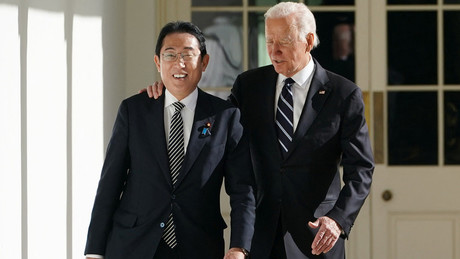
Am 5. Januar 2023 wurde bekanntgegeben, dass der Bundeskanzler Olaf Scholz und der Präsident der Vereinigten Staaten Joseph Biden sich in einem Telefonat darauf verständigten, das Regime in Kiew mit schwerem militärischem Gerät zu beliefern. Demnach wird Deutschland der Ukraine insbesondere Schützenpanzer vom Typ Marder und ein Patriot-Raketenabwehrsystem bereitstellen.
Entschieden verurteilen wir diesen Beschluss und betrachten ihn als einen weiteren Schritt hin zur Konflikteskalation in der Ukraine. Besonders zynisch ist es, dass darüber kurz vor dem orthodoxen und in der christlichen Welt hochverehrten Weihnachtsfest und vor dem Hintergrund des in diesem Zusammenhang vom russischen Präsidenten einseitig erklärten Waffenstillstands entschieden wurde.
Die Zügigkeit dieser konfrontationsgeladenen Entscheidungsfindung lässt keinen Zweifel daran, dass man sich in Berlin auch unter großem Druck aus Washington darauf einließ und im Sinne einer zerstörerischen Logik der transatlantischen Solidarität handelte.
Von unserer Seite betonen wir erneut, dass die Lieferungen tödlicher und schwerer Waffen an das Kiewer Regime, die nicht nur gegen russische Militärs, sondern auch gegen die Zivilbevölkerung im Donbas eingesetzt werden, die moralische Grenze darstellen, die die Bunderegierung hätte nicht überschreiten sollen. Das gilt mit Blick auf die historische Verantwortung Deutschlands vor unserer Bevölkerung für die Nazi-Verbrechen während des Zweiten Weltkriegs.
Mit dieser Entscheidung von Berlin wird immer mehr deutlich, dass die Bundesrepublik und der kollektive Westen kein Interesse daran haben, eine friedliche Konfliktlösung zu suchen. Durch ihr Bemühen wurde die Ukraine de facto zu einem militärischen Übungsplatz gemacht und das ukrainische Volk zur Erreichung geopolitischer Ziele des Westens instrumentalisiert, was die Feindseligkeiten in die Länge zieht und sinnlose Opfer und Zerstörungen herbeiführt. Die Entscheidung Berlins, schwere Waffen an das Kiewer Regime zu liefern, wird die deutsch-russischen Beziehungen gravierend beeinträchtigen.
unser Kommentar: Als Information zur Kenntnisnahme, wobei für uns das kriegerische Geschehen, wie z. B. in der Ukraine, keinerlei Zustimmung bzw. Rechtfertigung erhält.
06.01.2023
«Wir haben die Gefahren der NATO-Erweiterung immer gekannt»
US-Präsident Bill Clinton, NATO-Generalsekretär Javier Solana und US-Aussenministerin Madeleine Albright – eine extreme Hardlinerin – an der Feier «50 Jahre NATO» im April 1999. Und sie lachen: Eben haben sie erreicht, was nun letztlich zum Krieg in der Ukraine geführt hat: den Beginn der Erweiterung der NATO nach Osten (Polen, Tschechien und Ungarn, NATO-Beitritt am 12. März 1999) @ NATO
(Red.) Am 15. April 2022 publizierte Globalbridge.ch eine eigene Recherche: «Die Mitverantwortung der USA und der NATO: Vor der NATO-Osterweiterung wurde mehrfach gewarnt». Darin wurden ein Dutzend Politiker und Politologen genannt und zitiert – in ihrer Originalsprache, meist Englisch, aber auch ins Deutsche übersetzt. Auch heute kann nicht genug wiederholt und betont werden, dass die USA wussten, dass die NATO-Osterweiterung von Moskau nur als Provokation verstanden werden konnte. Im Dezember 2021 hat Russland deshalb von den USA und der NATO verlangt, dass die Ukraine neutral bleiben müsse, was aber von beiden, den USA und von der NATO, pauschal abgelehnt wurde. Auch wenn formell ein NATO-Beitritt der Ukraine noch nicht erfolgt war, die Zusammenarbeit Ukraine-NATO wurde immer enger: von der Angleichung der militärischen Hierarchiestufen bis zum obligatorischen Englisch-Unterricht für die ukrainischen Offiziere. Ted Snider zeigt auf, dass die USA wussten, dass der absolut heikelste Punkt der NATO-Osterweiterung eben die Ukraine war.
Im Jahr 2008 warnte William Burns, der heute Bidens CIA-Direktor ist, damals aber Botschafter in Russland war, dass „der Beitritt der Ukraine zur NATO für die russische Elite (nicht nur für Putin) die leuchtendste aller roten Linien ist“. Er warnte Außenministerin Condoleezza Rice: „Ich habe noch niemanden gefunden, der die Aufnahme der Ukraine in die NATO als etwas anderes beurteilt als eine direkte Herausforderung der russischen Interessen.“ Kurz vor einer Erweiterung in die Ukraine bezeichnete Burns die NATO-Erweiterung nach Osteuropa bestenfalls als verfrüht und schlimmstenfalls als unnötige Provokation. Ginge es um die Ukraine, warnte Burns, „könnte es keinen Zweifel geben, dass Putin hart zurückschlagen würde“.
Burns war jedoch nicht der erste Russland-Experte, der dem Weißen Haus dieses Warnzeichen gab. Im Jahr 1990, als die Sowjetunion wie ein Puzzle in einzelne Länder zerfiel, standen die USA und die NATO an einer entscheidenden Wegscheide, an der sie vor zwei zukunftsweisenden Entscheidungen standen. Sie konnten die Teile des Puzzles wieder zu einem umfassenden Bild einer integrierten Welt zusammenfügen, die keine neuen Grenzen in Europa zieht, Russland willkommen heißt, Blöcke überwindet und eine umfassende europäische Sicherheitsstruktur schafft, oder sie konnten die neu entstandenen Teile an die NATO anhängen, Russland ausschließen und isolieren und eine aufgeblähte NATO direkt an Russlands Grenzen heranführen.
Die USA und die NATO haben eine historische Chance zur Zusammenarbeit vertan und sich für das Zweite entschieden. Ein ganzes Heer von Russlandexperten beklagte die verpasste Chance und warnte eindringlich. Der Verteidigungsminister von Präsident Clinton, Bill Perry, nannte es „tragisch“, weil „wir in den 1990er Jahren die Gelegenheit hatten, eine dauerhafte kooperative Beziehung zu Russland aufzubauen.“
Eine ganze Reihe der sachkundigsten und erfahrensten US-Beamten warnte erneut nach dieser verpassten Gelegenheit, denn sie wussten schon damals, dass ein Verbleiben Russlands ausserhalb der EU und ausserhalb dem neuen Sicherheitsabkommen und ein Vorrücken (der NATO, Red.) an Russlands Grenzen eine existenzielle Bedrohung für Russlands Sicherheitsinteressen darstellen würde und dass Russlands rote Linie eben die Ukraine war.
NATO-Osterweiterung
Bereits 1997, noch vor der NATO-Osterweiterung, sagte Jack Matlock, ehemaliger US-Botschafter in Russland, vor dem Ausschuss für auswärtige Beziehungen des Senats aus: „Ich halte die Empfehlung der Regierung, zum jetzigen Zeitpunkt neue Mitglieder in die NATO aufzunehmen, für verfehlt. Sollte sie vom Senat der USA gebilligt werden, so könnte sie als der größte strategische Fehler seit dem Ende des Kalten Krieges in die Geschichte eingehen.“
Im selben Jahr erklärte George Kennan, ein weiterer ehemaliger US-Botschafter in Russland und Architekt der US-Politik der Eindämmung und des Rückzugs aus der Sowjetunion, dass die NATO-Osterweiterung „der verhängnisvollste Fehler der amerikanischen Politik in der gesamten Nachkriegszeit wäre“. Er fügte hinzu, dass sie „die Atmosphäre des Kalten Krieges wiederherstellen“ würde. Kennan schrieb, dass diese Ansicht „von einer Reihe anderer Personen geteilt wird, die über umfangreiche und in den meisten Fällen neuere Erfahrungen in russischen Angelegenheiten verfügen.“
Diese Warnungen waren weder subtil noch zurückhaltend: „tiefster strategischer Fehler“, „verhängnisvollster Irrtum“. Und sie kamen von den Leuten, die es am besten wussten. Andere US-Botschafter als die Botschafter in Russland schlossen sich den Warnungen an. In einem Artikel in der New York Review of Books von 1995 warnte der ehemalige US-Botschafter in Polen, Richard T. Davies, dass die US-Politiker die besten Ratschläge ihrer besten Berater ignorierten. Aber selbst dies waren nicht die ersten Warnungen. Warnungen kamen aus den Reihen der Bush-Administration, seit die Gespräche über die Erweiterung begannen.
Im Oktober 1990 – vielleicht die erste Warnung – erstellte das Außenministerium eine Analyse über „Osteuropa und die NATO“. Darin kam es zum Schluss, dass es nicht im besten Interesse der NATO oder der USA sei, diesen Staaten die volle NATO-Mitgliedschaft zu gewähren. Es warnte vor einer „antisowjetischen Koalition, deren Grenze die sowjetische Grenze ist“. Im selben Monat berichtete die Lenkungsgruppe für europäische Strategie der Regierung, dass „alle Behörden darin übereinstimmen, dass osteuropäische Regierungen in nächster Zukunft nicht zum NATO-Beitritt eingeladen werden sollten“. Zu diesen Behörden gehörten das Außenministerium, das Verteidigungsministerium, die NSA und die Generalstabschefs.
1992 wurde das Außenministerium, das erneut eine NATO-Erweiterung in Erwägung zog, vom stellvertretenden Außenminister Thomas Niles dahingehend beraten, dass eine Osterweiterung der NATO Moskau sagen würde, dass das Endergebnis einer internen Revolution und der Aufgabe seines Sowjet-/Warschauer-Pakt-Imperiums die Ausdehnung der NATO bis zu Russlands Grenze sei. In seinem Buch «Not One Inch» (Nicht einen Zentimeter) schreibt M.E. Sarotte (*), dass „Niles dazu riet, bei der NATO-Mitgliedschaft ‚am Ball zu bleiben‘.“ Im selben Jahr, so Sarotte, habe Colin Powell, der damalige Vorsitzende der Generalstabschefs, gewarnt, dass „er persönlich zögere, die Brücke der osteuropäischen Mitgliedschaft in der NATO zu überqueren.“
Im Oktober 1995 zwang ein Skandal den NATO-Generalsekretär Willy Claes zum Rücktritt. Ruud Lubbers war bereit, ihn zu ersetzen. Als sich jedoch herausstellte, dass Lubbers gegen die Pläne der USA zur Osterweiterung der NATO war, beschlossen die USA laut James Steinberg, dem Direktor für politische Planung im Außenministerium, Lubbers Aufstieg an die Spitze der NATO zu verhindern – eine weniger bekannte Geschichte über das Ignorieren von Warnungen und über Manöver zur Durchsetzung ihrer Ziele. Laut Sarotte berichtete Steinberg, dass die USA „im Nachhinein entschieden, Lubbers den Posten nicht zu überlassen“. Stattdessen begleiteten die USA Javier Solana an die Spitze der NATO. Solana machte deutlich, dass er in der Frage der NATO-Osterweiterung „der amerikanischen Sichtweise folgen werde“.
Die USA wussten, dass die NATO-Osterweiterung Moskau verärgern und bedrohen würde. Sie wussten auch, dass die Erweiterung auf die Ukraine besonders heikel und bedrohlich war und eine besondere rote Linie darstellte. Im Wissen um die Sensibilität dieser roten Linie wurde die Expansion in die Ukraine besonders intensiv debattiert.
In einem bewegenden Appell aus dem Jahr 1991, den Sarotte zitiert, warnte der US-Botschafter in Moskau, Robert Strauss – ein weiterer jener Experten, die gemäß Kennan über die umfangreichsten und neusten Erfahrungen verfügten –, dass „das revolutionärste Ereignis des Jahres 1991 für Russland wohl nicht der Zusammenbruch des Kommunismus ist, sondern der Verlust von etwas, das die Russen aller politischen Richtungen als Teil ihrer eigenen Politik betrachten, und zwar als Herzensangelegenheit: die Ukraine.“
In seinen Memoiren «Duty» sagte Robert Gates, dass der Versuch, Georgien und die Ukraine in die NATO aufzunehmen, wirklich zu weit ging. Er fügte hinzu, dass damit „rücksichtslos ignoriert wurde, was die Russen als ihre eigenen vitalen nationalen Interessen betrachteten“.
Aus diesen Gründen wurde in einem internen Entwurfspapier von 1991 empfohlen, „die Möglichkeit eines Beitritts der Ukraine zum NATO-Verbindungsprogramm“ auf „einen späteren Zeitpunkt“ zu verschieben.
Die Ukraine war auch deshalb ein heikler Fall, weil sich in ihrem Hoheitsgebiet ehemalige sowjetische Atomwaffen befanden, die die Ukraine zeitweise nur ungern abgab. Doch selbst wenn die NATO-Mitgliedschaft als Zuckerbrot für die Abgabe der Atomwaffen an Russland dienen sollte, zögerten die Experten, der Ukraine die NATO-Mitgliedschaft anzubieten und damit Russlands rote Linie zu überschreiten. 1993 erklärte Clintons nationaler Sicherheitsberater Anthony Lake, ein aggressiver Befürworter der NATO-Erweiterung, den Briten, dass das Nuklearproblem gelöst wäre, wenn die Ukraine in die NATO aufgenommen würde. Aus den Unterlagen geht laut Sarotte hervor, dass die Briten darauf mit Unverständnis reagierten. Sie erinnerten Lake daran, dass „eine Erweiterung der NATO um die Ukraine die röteste aller russischen roten Linien überschreiten würde“. Das war schon vor drei Jahrzehnten bekannt.
Selbst Richard Holbrooke, der die Erweiterung aggressiv vorantrieb, wusste, dass „die Ukraine das heikelste Thema ist“ und anders behandelt werden musste. Er wusste, dass die Ukraine eine rote Linie war, die wahrscheinlich nicht überschritten werden konnte, und nannte die NATO „ein Bündnis, dem sie wahrscheinlich niemals beitreten kann. . .“ NATO-Generalsekretär Javier Solana, der versprach, dass seine Auffassung zur NATO-Erweiterung „mit der amerikanischen Zielsetzung übereinstimmen würde“, wusste, dass die Erweiterung in die baltischen Staaten und in die Ukraine „der schwierigste Teil der Erweiterung“ war.
Im Dezember 1994 stellten der Präsident Clinton und Vizepräsident Al Gore bei einem Treffen im Weißen Haus insgeheim klar, dass die Zeit für die NATO-Osterweiterung nun gekommen sei. Wie Sarotte berichtet wurde jedoch beschlossen, sich auf Mittel- und Osteuropa und nicht auf die Ukraine zu konzentrieren.
Vierzehn Jahre später sandte Burns seine Warnung nach Washington, dass „der Beitritt der Ukraine zur NATO die hellste aller roten Linien ist“ und dass, falls die NATO in die Ukraine expandieren würde, „es keinen Zweifel geben kann, dass Putin hart zurückschlagen wird“.
Zum Original-Beitrag von Ted Snider auf der US-amerikanischen Plattform «ANTIWAR@COM»
(*) Die Zitate von Mary Elise Sarotte stammen aus ihrem Buch «1989, The Struggle to Create Post-Cold War Europe», Princeton University Press.
unser Kommentar: Als Information zur Kenntnisnahme, wobei für uns das kriegerische Geschehen, wie z. B. in der Ukraine, keinerlei Zustimmung bzw. Rechtfertigung erhält.
06.01.2023
Nachrichten von Pressenza: Nach Vereidigung hebt Lula mehr als 10 von Bolsonaro unterzeichnete Dekrete auf
Nach Vereidigung hebt Lula mehr als 10 von Bolsonaro unterzeichnete Dekrete auf
Der neue brasilianische Präsident Luiz Inácio Lula da Silva hat in einer seiner ersten Amtshandlungen mehr als zehn Dekrete aufgehoben, die während der Regierungszeit von Bolsonaro unterzeichnet wurden. Lula bestimmte, dass der Generalbevollmächtigte der Union (CGU, Controladoria-Geral da União) die…
Berlin: Stadt der Wahlpannen und ein Schicksalsort der Geopolitik
Die ersten großen internationalen Auftritte Deutschlands waren 1873 das „Drei-Kaiser-Abkommen“,1878 der Berliner Kongress der fünf europäischen Großmächte und 1885 die Berliner Kongo-Konferenz zur kolonialen Aufteilung Afrikas. Die deutsche Hauptstadt war wenig später Planungsort des 1. Weltkrieges von Kaiser Wilhelm…
Pressenza - ist eine internationale Presseagentur, die sich auf Nachrichten zu den Themen Frieden und Gewaltfreiheit spezialisiert hat, mit Vertretungen in Athen, Barcelona, Berlin, Bordeaux, Brüssel, Budapest, Buenos Aires, Florenz, Lima, London, Madrid, Mailand, Manila, Mar del Plata, Montreal, München, New York, Paris, Porto, Quito, Rom, Santiago, Sao Paulo, Turin, Valencia und Wien.
Näheres:
Nach Vereidigung hebt Lula mehr als 10 von Bolsonaro unterzeichnete Dekrete auf dação São Paulo
Der neue brasilianische Präsident Luiz Inácio Lula da Silva hat in einer seiner ersten Amtshandlungen mehr als zehn Dekrete aufgehoben, die während der Regierungszeit von Bolsonaro unterzeichnet wurden.
Lula bestimmte, dass der Generalbevollmächtigte der Union (CGU, Controladoria-Geral da União) die Geheimhaltung von 100 Jahren für Dokumente und Informationen der Öffentlichen Verwaltung, die von der vorherigen Exekutive beschlossen wurde, innerhalb von 30 Tagen neu bewerten muss.
Er stellte auch den Betrieb des Amazonas-Fonds wieder her, erließ ein Dekret gegen die Deforestierung und hob eine Maßnahme zum illegalen Bergbau auf.
Darüber hinaus hat der neu ernannte Präsident von Brasilien die Ausgabe von neuen Waffenerlaubnissen und die Genehmigung von neuen Schießklubs ausgesetzt.
Der Präsident unterzeichnete zusätzlich mehrere vorläufige Maßnahmen, von denen eine die Zahlung von 600 Reais (110 US-Dollar) an Familien garantiert, die im aktuellen Auxilio Brasil-Programm (jetzt Bolsa Familia) eingeschrieben sind und eine andere die Steuerbefreiungen für Kraftstoffe verlängert. Eine dritte strukturiert die Regierung um, indem sie die Anzahl der Ministerien erhöht.
Darüber hinaus ordnete Lula an, dass seine Minister:innen Vorschläge vorzulegen haben, um öffentliche Unternehmen wie das Ölunternehmen Petrobras und den Postdienst Correios aus dem Privatisierungsprojekt zu entfernen.
Der Präsident setzte die 37 Minister:innen des neuen Regierungssystems ein, die ihr Amt unter dem Motto „Einheit und Wiederaufbau“ sofort antraten.
Lula führte eine Zeremonie durch, bei der die 37 Mitglieder seines Kabinetts gemeinsam vereidigt wurden. Am kommenden Montag, der der erste effektive Tag der neuen Regierung sein wird, werden sie nun offiziell ihr Amt antreten.
Der starke Mann der Wirtschaft wird Fernando Haddad sein, der Minister für Finanzen, während an der Spitze des Außenministeriums Mauro Vieira stehen wird, ein erfahrener Karrierediplomat, der bereits von 2014 bis 2016 Außenminister in der Regierung von Präsidentin Dilma Rousseff war.
Lulas Kabinett umfasst elf Frauen und politische Führungspersonen von neun Parteien über ein breites Spektrum, von den Linken bis zu den moderaten Rechten.
Unter den Frauen ist Sonia Guajajara, eine Vertreterin der indigenen Völker, eine besonders hervorstechende Persönlichkeit. Sie hat das Ministerium für indigene Völker übernommen, eine Institution, die bisher nicht existierte und die Lula während des Wahlkampfs zu schaffen versprochen hatte.
Nachdem er seine neuen Minister ernannt hatte, posierte Lula mit seinem gesamten Kabinett für das erste offizielle Foto seiner dritten Regierungsperiode; er hatte bereits zwei aufeinanderfolgende Amtszeiten zwischen 2003 und 2010 inne.
Übersetzung aus dem Spanischen von Chiara Pohl vom ehrenamtlichen Pressenza-Übersetzungsteam. Wir suchen Freiwillige!
Die ersten großen internationalen Auftritte Deutschlands waren 1873 das „Drei-Kaiser-Abkommen“, 1878 der Berliner Kongress der fünf europäischen Großmächte und 1885 die Berliner Kongo-Konferenz zur kolonialen Aufteilung Afrikas. Die deutsche Hauptstadt war wenig später Planungsort des 1. Weltkrieges von Kaiser Wilhelm und des 2. Weltkrieges von Hitler. Auf der Berliner Wannseekonferenz vom 20. Januar 1942 haben deutsche Führungskräfte verschiedener Bereiche die technischen Abläufe und das Vorgehen des Holocaust an dem jüdischen Volk festgelegt und der bis zur Gegenwart die Welt erschüttert.
Ein Aufatmen ging um den Globus, als die faschistischen Staaten Deutschland und Japan 1945 mit ihren Verbündeten besiegt waren.
An der Stadtgrenze zum total zerstörten Berlin, auf der Potsdamer Konferenz, wurde die in Teheran und Jalta von der Anti-Hitler-Koalition beschlossene Nachkriegsordnung in 4 Besatzungszonen besiegelt. Berlin wurde zum Sitz des Kontrollrats der Alliierten bestimmt.
Die Last der Schuld am Holocaust und am 2. Weltkrieg dämpfte nach 1945 Wortmeldungen Deutschlands in der Geopolitik. Das Land suchte mühsam einen Weg zur Demokratie mit Wahlen.
Nach Teilung Deutschlands in die BRD (April 1949) und die DDR (Oktober 1949), wurde Berlin Hauptstadt der DDR. Die Westsektoren erhielten einen Status zur Verwaltung unter Führung der westlichen Alliierten.
In Berlin beschloss die DDR-Regierung den Bau einer Mauer, zur Kontrolle der Grenzübergänge, wie es offiziell hieß. Die Welt hielt den Atem an, als sich ein amerikanischer und ein russischer Panzer nur wenige Meter voneinander entfernt, am Berliner Checkpoint Charly gegenüberstanden. Der Geist der Anti-Hitler-Koalition in Washington und Moskau verhinderten eine Katastrophe. Von Berlin aus rief Ernst Reuter „Schaut auf diese Stadt“ und Kennedy betonte bei seinem Besuch “Ich bin ein Berliner“. Der Staatsratsvorsitzende (Präsident) der DDR Erich Honecker schlug der Bundesregierung 1987 eine „Koalition der Vernunft“ vor. Die Mauer hat die Regierung der zweiten demokratischen Alternative Deutschlands am 9. November 1989 geöffnet.
Die Länder der Welt stehen gegenwärtig erneut vor einer Kriegskatastrophe, als Folge des Ost/West Konflikts in der Ukraine. Um so verständlicher sind die Worte des Papstes in seiner Weihnachtsbotschaft 2022: “Der Herr … erleuchte den Verstand derer, die die Macht haben, die Waffen zum Schweigen zu bringen und diesen sinnlosen Krieg ein sofortiges Ende zu setzen (Berliner Zeitung v. 28.12.2022).
Berlin war immer auch ein Ort der Kultur mit seinen Universitäten und Museen von der babylonischen Geschichte bis zur Modernen, eine Stadt der Wissenschaften mit vielen Nobelpreisträgern der Humboldt Universität. Sie ist heute wieder Heimstatt des Bundestages und der Regierung Deutschlands, mit allen Wirkungen der Gesetze nach innen und außen.
Die SPD stimmte im Berliner Reichstag 1914 den Kriegskrediten des Kaisers für den 1. Weltkrieg zu und der Bundeskanzler Scholz von der SPD richtete im Berliner Bundestag ein Sonderfonds von 100 Mrd. Euro für das Verteidigungsministerium ein. Das waren keine guten Meldungen für den friedliebenden Berliner, der am 12. Februar in einer Wiederholungswahl die Zusammensetzung des Berliner Abgeordnetenhaus bestimmen wird. Die Korrektur der Bundestagswahl haben die Verfassungsrichter nicht für erforderlich gehalten. Die Wahlmängel in Berlin haben aber die Demokratie in Deutschlands beschädigt.
Die SPD verlor 1918 in Berlin ihren linken Flügel, der sich zur KPD einer weiteren linken Alternative formierte.
Die Partei Die Linke leistet eine Sisyphusarbeit für den Frieden, erhält aber von den anderen Parteien mehr als nur Schelte und permanente mediale Kritik. Die Linke setzt sich für eine Politik der gerechten Verteilung zugunsten der Bevölkerung ein und dafür, dass die Macht vom Volke ausgeht, wie es die Verfassung vorsieht.
Die Wiederholungswahl hat einen richtungsgebenden Charakter für Berlin und für die nächsten politischen Wahlen in Deutschland. Die Bewegung der Letzten Generation in Berlin und anderswo fordert von der Politik eine gesicherte Zukunft, die das Leben der Menschen achtet und die die Biodiversität der Welt nicht gefährdet. Die unzureichenden Ergebnisse der 27. Klimakonferenz in Ägypten und der Konferenz zum Erhalt der Artenvielfalt in Kanada zeigen, dass auch die Delegation der Berliner Regierung unzureichende Verhandlungsvollmachten hatte. SPD, CDU, FDP, AfD stehen für ein unbegrenztes Wachstum der Wirtschaft mit der Konsequenz des Klimawandels, sowie für alte Gewohnheiten der Konsumenten, die die Umwelt schädigen. Die Politiker der Regierungsparteien scheuen sich Gesetze zu erlassen, die Teile des Lebensniveaus im Interesse des Klimaschutzes verändern, sowie den wirtschaftlichen Kurs beeinflussen. Sie sind Meister Kommissionen zu bilden, die die Probleme erörtern sollen. Bis zur Gesetzgebung brauchen sie dann weitere Jahre. Nur bei der Diätenerhöhung geht es in Wochenfristen.
Homo Sapiens hat in seiner langen Geschichte immer Wege gefunden, dank seines Vermögens zu denken und zu arbeiten, betonte Albert Einstein.
Wählen heißt für jeden Wahlberechtigten an die Zukunft zu denken. Die Erfahrungen der Vergangenheit sind dabei zur Orientierung dringend notwendig. Sie zeigen, welche Partei was bei früheren Wahlen versprochen hat. Länder, die die Teilnahme an Wahlen zur Pflicht erklärten, kommen besser über die Hürden der Geschichte.
Alexander Dubcek Das lächelnde Gesicht des Sozialismus
deutschlandfunknova.de, vom 30. Dezember 2022
Alexander Dubcek war er von 1968 bis 1969 der mächtigste Politiker der Tschechoslowakei. Er setzte sich für die Liberalisierung und Demokratisierung und einen "Sozialismus mit menschlichem Antlitz" ein.
Die politische Führung der Tschechoslowakische Sozialistische Republik (CSSR) ist in Feierlaune, denn im Herbst 1967 steht das 50. Jubiläum der „Oktoberrevolution“ an. 50 Jahre zuvor, 1917, stürzten bolschewistische Revolutionäre um Lenin den Zaren und mit ihm ein feudalistisches Regierungssystem, das Russland in eine schwere Wirtschaftskrise gestürzt hatte.
Aber die tschechoslowakischen Kommunisten sind in jenen Herbsttagen des Jahres 1967 zerstritten. Tschechen hier, Slowaken dort, Reformer auf der einen, starre Stalinisten auf der anderen Seite.
Auf Seiten der Reformer hat sich Alexander Dubcek, der erste Sekretär der Kommunistischen Partei der Slowakei, einen Namen gemacht. Ihm gegenüber steht Staatspräsident Antonin Novotny. Er war für antisemitische Schauprozesse und zahlreiche Justizmorde verantwortlich, bei denen mehr als 230 Todesurteile gefällt wurden.
Reformen im slowakischen Teil
Alexander Dubcek ist nicht erst seit kurzem ein landesweit bekannter Politiker. Als Mitglied des Zentralkomitees der Kommunistischen Partei der Slowakei opponierte er gegen die Änderung des Staatsnamens durch den Zusatz "sozialistisch".
Als nach dem Tod Stalins Anfang März 1953 die sogenannte Tauwetterperiode begann und die Opfer des Stalinismus rehabilitiert wurden, wollte Dubcek auch jene slowakischen Kämpfer rehabilitiert sehen, die zwischen 1951 und 1953 hingerichtet worden waren.
Als Dubcek nach internen Machtkämpfen 1963 seine Position innerhalb der Kommunistischen Partei wieder gefestigt hatte, sorgte er im slowakischen Teil der CSSR für politische Reformen, während im tschechischen Teil des Landes alles beim Alten blieb.
Dubcek wird zum lächelnden Aushängeschild
Der Konkurrenzkampf zwischen den beiden KP-Chefs Dubcek und Novotny ist unausweichlich und mündet am 5. Januar 1968 in der Absetzung Novotnys, sein Nachfolger wird Alexander Dubcek als KP-Chef der CSSR. Mit ihm beginnt der sogenannte Prager Frühling, der als Reformbewegung den "Sozialismus mit menschlichem Antlitz“ propagiert. Lächelndes Aushängeschild wird Alexander Dubcek.
Ihr hört in Eine Stunde History:
Der Politikwissenschaftler und Autor Peter Brandt erläutert, was der „Sozialismus mit menschlichem Antlitz“ war und was er wollte.
Der Osteuropa-Historiker Martin Schulze Wessel beschäftigt sich mit Zielen und Motiven des Prager Frühlings.
Der Historiker Rüdiger Wenzke hat über die Nationale Volksarmee der DDR geforscht und erläutert deren Rolle bei der Niederschlagung des Prager Frühlings im August 1968.
Deutschlandfunk-Nova-Geschichtsexperte Matthias von Hellfeld blickt zurück auf die Geschichte der Tschechoslowakei seit dem Münchner Abkommen vom 29. September 1938.
Deutschlandfunk-Nova-Reporter Felix Schledde schildert den Machtkampf zwischen Novotny und Dubcek.
In diesem Beitrag enthaltene Kapitel:
00:13:35
Peter Brandt erläutert, was der "Sozialismus mit menschlichem Antlitz" war
00:21:27
Martin Schulze-Wessel beschäftigt sich mit Zielen und Motiven des Prager Frühlings
00:32:02
Rüdiger Wenzke erläutert die Rolle der Nationalen Volksarmee bei der Niederschlagung des Prager Frühlings
“You had to attack civilians, the people, women, children, innocent people, unknown people far removed from any political game. The reason was quite simple. They were supposed to force these people, the Italian public, to turn to the State to ask for greater security. This is the political logic that lies behind all the massacres and the bombings which remain unpunished, because the State cannot convict itself or declare itself responsible for what happened.”[1]
- Vincenzo Vinciguerra, convicted Italian terrorist, former member of the Avanguardia Nazionale (National Vanguard) and Ordine Nuovo (New Order), part of Italy’s Gladio.
Nazi Germany: The Bulwark of the West against Communism
“By destroying communism in his [Hitler’s] country, he had barred its road to Western Europe…Germany therefore could rightly be regarded as a bulwark of the West against communism.”[2]
– The Earl of Halifax, aka Lord Halifax (British Ambassador to the U.S. 1940-1946, Secretary of State for British Foreign Affairs 1938-1940, Viceroy and Governor-General of India 1926-1931)
Everyone is aware of the Iron Curtain speech delivered by Winston Churchill on March 5th, 1946. However, as already discussed in Chapter 4 it is not Churchill who is the originator of the phrase, but rather Nazi German Foreign Minister Count Lutz Schwerin von Krosigk, who made a speech in Berlin on May 3rd, 1945, which was reported in the London Times on May 8th, 1945.[3] In his speech, Krosigk uses the Nazi-coined propaganda phrase ‘Iron Curtain,’ which was used in precisely the same context by Churchill less than one year later. This sharing of policy between Nazi Germany and England should not come as a surprise at this point, having reviewed the history of British Fascism in Chapter 1 and Churchill’s support for the cause.
The Molotov-Ribbentrop Pact signed August 23rd, 1939, is what has gone down in history in notoriety. However, an important fact is often left out which completely changes the character of the popular interpretation of the Soviet compromise with Nazism, that this notorious pact was signed a full 11 months after UK Prime Minister Neville Chamberlain signed the appeasement deal with Hitler on September 30th, 1938, known as the Munich Agreement (aka the Munich Betrayal).
“The story we were taught in school was that the British government agreed to partition Czechoslovakia only as a desperate measure to avoid a greater European war. This view is based on the idea that Germany was already an overwhelming military power that could easily crush Czechoslovakia’s weak defenses. However, this idea is patently false.
…Created in 1919, Czechoslovakia was the most prosperous, most democratic, most powerful and best administered of the states that emerged from the Habsburg Empire… the idea that the Germans had a military advantage and that Czech’s security was weak were both fabrications of a sustained propaganda campaign, which was orchestrated by the British media and government representatives to mislead the British and European public…
In terms of quality, armaments and fortifications, the Czech army was known to be the best in Europe and was superior to the German army in every way except for air support. On September 3rd, 1938, the British military attaché in Prague wrote a cable to London, stating: ‘There are no shortcomings in the Czech army, as far as I have been able to observe…’
In addition, Czech security was supported by strategic alliances with France and the Soviet Union both of whom were at that time very keen on holding Germany in check and both of whom were significantly superior to Germany in terms of military strength.”
That is, Czechoslovakia did in fact capitulate without resistance, but this was not because her defenses were weak. Rather, it was because her government had been given false promises and was ultimately played in favour of Germany by the treacherous scheming of Britain’s secret diplomacy. Lord Halifax, who was quoted earlier, was among the leading British negotiators of the Munich Agreement.
In 1936, Stalin had predicted how German aggression would break out upon the world:
“History shows that when any state intends to make war against another state…it begins to seek frontiers across which it can reach the frontiers of the state it wants to attack…I do not know precisely what frontiers Germany may adapt to her aims, but I think she will find people willing to ‘lend’ her a frontier.”[5]
These statements were made before the Munich Agreement, which was just that, a “lending of a frontier.” In addition, there were multiple attempts by the Soviets to call for a defense pact with France and Britain, in the case that Germany would launch an attack on either side. On March 18th, 1939, at Stalin’s direction Litvinov, Soviet Commissar for Foreign Affairs, proposed that France, Britain, Poland, Russia, Romania and Turkey join together at a conference to draw up a treaty to stop Hitler. Chamberlain was strongly against the idea, writing to a friend: “I must confess to the most profound distrust of Russia. I have no belief whatever in her ability to maintain an effective offensive, even if she wanted to. And I distrust her motives.”[6]
On April 14th, 1939, Lord Halifax, British Foreign Minister said that Britain would not extend an alliance to Russia in case Germany were to attack. Russia was clearly being told to go at it alone.
On April 16th, 1939, Stalin had Litvinov propose to Sir William Seeds the British ambassador, that Russia, France and Britain make a pact that would bind their three countries to declare war on Germany if they or any nation between the Baltic and the Mediterranean were attacked. Great Britain and France again refused.
The Munich Agreement allowed Hitler’s Germany to acquire Czechoslovakia’s superior army and transformed Germany into a colossal military threat that would be much more difficult to defeat. Germany had been allowed to become an ultra-supreme force through direct British intervention. It was only 11 months later that the Molotov-Ribbentrop Pact was signed by the Russians as a means to forestall what was clearly the inevitable; a German attack on Russian soil, with the backing of Britain and France.[7] In addition, the Bank of England (BoE) and the Bank of International Settlements, through BoE Governor Montague Norman, allowed for the direct transfer of 5.6 million pounds[8] worth of gold to Hitler that was owned by the Bank of Czechoslovakia.
Questionable actions from England indeed.
Operation Gladio: NATO’s Dagger
With the Second World War ‘won’, the world was very much under the impression that we were to take the phrase ‘Never Again’ to heart. Unfortunately, those in charge of forming Western policy and geopolitical strategy post-WWII could not have disagreed more.
Operation Unthinkable is a prime example of the sort of thinking that was ruminating within Britain and the United States post-Roosevelt. Operation Unthinkable was the name given to two related possible future war plans by the British Chiefs of Staff against the Soviet Union in 1945. The creation of the plans was ordered by British Prime Minister Winston Churchill in May 1945 and developed by the British Armed Forces' Joint Planning Staff in May 1945 at the end of World War II in Europe (Roosevelt passed away on April 12th, 1945). One plan assumed a surprise attack on the Soviet forces stationed in Germany to “impose the will of the Western Allies” on the Soviets. The second plan was a defensive scenario in which the British were to defend against a Soviet drive towards the North Sea and the Atlantic following the withdrawal of the American forces from the Continent.
Though the first plan of the operation would be shelved with the new government under Clement Attlee, this remained a predominantly governing mindset for British and American intelligence. However, contrary to what we are told today, the second plan of Operation Unthinkable was not shelved. It was in fact fully implemented under the initiation of Prime Minister Winston Churchill. This plan would continue through every other British Prime Minister’s term that followed afterward, without the knowledge of most members of the British government.
During the Second World War, preparations were made in the case of a possible German victory and ‘stay-behind’ guerilla warfare units were stationed throughout Europe. The model was the British Special Operations Executive, or SOE, a top-secret guerilla-commando force established in 1940. It was the brainchild of Winston Churchill and was called ‘Churchill’s secret army.’ This program would eventually be adopted into NATO. After the Allied victory, these ‘stay-behind’ units were not disbanded but rather were strengthened and expanded in almost every European country, with direct aid and encouragement from the United States.
Daniele Ganser, a Senior Researcher at the Center for Security Studies at the Federal Institute of Technology (ETH) in Zurich, Switzerland published NATO’s Secret Armies: Operation Gladio and Terrorism in Western Europe in 2005, which is regarded as an authoritative overview of NATO’s Operation Gladio networks and functions. This chapter will reference extensively Ganser’s pioneering work on this crucial history of Western clandestine warfare that was waged on Western civilians and their democratically elected governments for several decades under the guise of Soviet terrorism.
“The clandestine network, which after the revelations of the Italian Prime Minister [Andreotti] was researched by judges, parliamentarians, academics and investigative journalists across Europe, is now understood to have been code-named ‘Gladio’ (the sword) in Italy., while in other countries the network operated under different names including ‘Absalon’ in Denmark, ‘ROC’ in Norway, ‘SDRA8’ in Belgium. In each country, leading members of the executive, including Prime Ministers, Presidents, Interior Ministers and Defense Ministers, were involved in the conspiracy, while the ‘Allied Clandestine Committee’ (ACC), sometimes also euphemistically called the ‘Allied Co-ordination Committee’ and ‘Clandestine Planning Committee’ (CPC), less conspicuously at times also called ‘Coordination and Planning Committee’ of NATO’s Supreme Headquarters Allied Powers Europe (SHAPE), coordinated the networks on the international level. The last confirmed secret meeting of ACC with representatives of European secret services took place on October 24, 1990 in Brussels.
…Leading officers of the secret network trained together with the U.S. Green Berets Special Forces in the United States of America and the British SAS Special Forces in England…In case of a Soviet invasion of Western Europe the secret Gladio soldiers under NATO command… [formed a] stay-behind network operating behind enemy lines.”
However, the expected Soviet invasion never occurred. And thus, these secret armies found another purpose. They were to be used against the people. The desire was that by staging false-flag operations that were blamed on communists, panic and revulsion would be invoked sending voters flocking to the welcoming arms to so-called ‘secure’ right-wing governments. Italy, which had the largest and most powerful communist party in Europe, would be first on the hit-list. The Communist Party of Italy, admired for leading the fight against Mussolini, was expected to win in Italy’s first post-war election in June 1946. This, of course, was considered intolerable under the Iron Curtain diktat.
Investigative journalist Christopher Simpson writes in his book Blowback, how a substantial part of the funding for the opposition to the Communist Party of Italy, which was the Christian Democratic Party, came from captured Nazi assets, largely held by the Americans. This intervention tipped the balance in favour of Italy’s Christian Democratic Party, which hid thousands of fascists in its ranks. The Christian Democratic Party would be the dominating party in Italy for five decades until it was dissolved in 1994.
In March 2001, General Giandelio Maletti, former head of Italian counterintelligence, suggested that next to the Gladio secret army, the Italian secret service and a group of Italian right-wing terrorists, the massacres which had discredited the Italian communists had also been supported by the White House in Washington and the CIA. At a trial of right-wing extremists accused of having been involved in the Piazza Fontana massacre, General Maletti testified:
“The CIA, following the directives of its government, wanted to create an Italian nationalism capable of halting what it saw as a slide to the left, and, for this purpose, it may have made use of right-wing terrorism…The impression was that the Americans would do anything to stop Italy from sliding to the left… Italy has been dealt with as a sort of protectorate [of the United States]…”[10]
In order to ensure that no further communist support were to arise in Italy, Operation Gladio, with direction and support from the CIA and MI6, led a campaign of brutal violence against Italians that stretched into the better part of two decades known as the ‘years of lead,’ the anni di piombo.
Daniele Ganser writes in NATO’s Secret Armies:[11]
“According to the findings of the Belgian parliamentary investigation into Gladio, a secret non-orthodox warfare even preceded the foundation of the alliance [NATO]. As of 1948, non-orthodox warfare was coordinated by the so-called ‘Clandestine Committee of the Western Union’ (CCWU).
…When in 1949 the North Atlantic Treaty was signed, CCWU [Clandestine Committee of the Western Union] was secretly integrated into the new international military apparatus and as of 1951 operated under the new label CPC [Clandestine Planning Committee]. At the time European NATO headquarters were in France and also the CPC was located in Paris. Like the CCWU before it the CPC was concerned with the planning, preparation and direction of non-orthodox warfare carried out by the stay-behind armies and Special Forces. Only officers with the highest NATO security clearance were allowed to enter CPC headquarters…under the guidance of CIA and MI6 experts the chiefs of the Western European Secret Services met at regular intervals during the year in order to coordinate measures of non-orthodox warfare in Western Europe.”
In 1959, an internal NATO briefing minute, dated June 1st, 1959, slipped into the hands of a British newspaper, which revealed that the task of the stay-behind units had been switched from confronting a Soviet invasion to confronting an “internal subversion”. The secret armies were henceforth to play a “determining role…not only on the general policy level of [domestic] warfare, but also on the politics of [domestic] emergency.”[12] What this meant was that a secret army of stay-behind units, under the direction of NATO, in absence of a Soviet threat, were to direct their actions to internal matters which would include espionage and acts of terrorism on the citizens of Europe with the support and cover of those nations’ police units. This would be used to further centralise control within right-wing governments who supported the NATO apparatus.
Operation Gladio, which used the tactic Strategy of Tension, functioned on three basic levels. The first was a guerilla war to be fought primarily on the streets, in order to draw loyalties away from the Soviet Union. The second level was the political front and would involve NATO-inspired conspiracies, which typically accused certain governments of being in secret partnership with the USSR, in order to evict democratically elected governments unfriendly to the NATO state apparatus and replace them with puppet regimes. The third level was the assassination (hard and soft) of figures who were deemed obstructive to NATO’s aims. Examples of Gladio assassinations include Italy’s former Prime Minister Aldo Moro in 1978, Sweden’s Prime Minister Olof Palme in 1986 (known as Sweden’s JFK), Turkey’s Prime Minister Adnan Menderes in 1961 along with two cabinet colleagues, and U.S. President Kennedy in 1963. As well as the soft assassination (character assassination) of UK Prime Minister Harold Wilson. These assassinations would typically be followed by a NATO/U.S. supported putsch. Attempted assassinations from Operation Gladio included President de Gaulle (more on this shortly) and Pope John Paul II.[13]
Yves Guerin-Serac: the Black Ops Grandmaster behind Operation Gladio
“He [Yves Guerin-Serac] was in thrall to his personal vision of a Christian-Fascist New World Order. He was also the intellectual mentor of Gladio terrorism. He wrote the basic training and propaganda manuals which can be fairly described as the Gladio order of battle.”
- Richard Cottrell, Gladio: NATO’s Dagger at the Heart to Europe
Guerin-Serac was a war hero, agent provocateur, assassin, bomber, intelligence agent, Messianic Catholic, and the intellectual grandmaster behind the ‘Strategy of Tension’ essential to the success of Operation Gladio. Guerin-Serac published via Aginter Press the Gladio manual, including Our Political Activity in what can aptly be described as Gladio’s First Commandment:[14]
“Our belief is that the first phase of political activity ought to be to create the conditions favouring the installation of chaos in all of the regime’s structures…In our view the first move we should make is to destroy the structure of the democratic state under the cover of Communist and pro-Soviet activities…Moreover, we have people who have infiltrated these groups.”
“Two forms of terrorism can provoke such a situation [breakdown of the state]: blind terrorism (committing massacres indiscriminately which cause a large number of victims), and selective terrorism (eliminate chosen persons)…
This destruction of the state must be carried out under the cover of ‘communist activities.’ After that, we must intervene at the heart of the military, the juridical power and the church, in order to influence popular opinion, suggest a solution, and clearly demonstrate the weakness of the present legal apparatus. Popular opinion must be polarized in such a way, that we are being presented as the only instrument capable of saving the nation.”
Anarchic random violence was to be the solution to bring about such a state of instability thus allowing for a completely new system, a global authoritarian order. Yves Guerin-Serac, who was an open fascist, would not be the first to use false-flag tactics that were blamed on communists and used to justify more stringent police and military control from the state.
On the 27th of February 1933, Hermann Göring, Hitler’s second-in-command, shouted outside the burning of the Reichstag:
“This is the beginning of the Communist revolution! We must not wait a minute. We will show no mercy. Every Communist official must be shot, where he is found. Every Communist deputy must this very day be strung up!”[16]
It is quite incredible that people never seem to grow tired of these sort of theatrics as part of the popular narrative of what we are told shapes our history, no matter how many times we have heard it played before. The line of obvious patsies is also something that seems to never grow tiring. In the case of the Reichstag fire, now widely acknowledged as a false-flag, it was some befuddled Dutch Jew that was instantly accused.
The day after the fire, six days before the scheduled general election, Hitler persuaded the elderly and confused President von Hindenburg (the icon of the First World War) that the crisis was of such profound gravity it could only be met by complete abolition of all personal liberties. The Reichstag Fire Law conferred by Hindenburg gave Hitler many of the instruments that he required for a total seizure of power. Within two weeks, parliamentary democracy was also reduced to the smoking embers of history. It would not be the only false-flag to be orchestrated by Hitler.
Richard Cottrell writes in Gladio, NATO’s Dagger at the Heart of Europe :[17]
“SS units forced a small group of concentration camp victims ‘released’ from Buchenwald and disguised in Polish uniforms, to stage a false flag mock attack on the main radio tower in the Nazi controlled free state of Danzig. Citing provocation by the Poles, the German invasion of Poland followed.”
Guerin-Serac spent his life dedicated to a new Black Empire[18] which he dreamed would combine the universal divinity of the Roman church with the United States and Europe as successor to the Holy Roman Empire. This was Christian Fascism and Yves Guerin-Serac was its Crusader.[19] He belonged to several old gangs, including the first generation of ‘former’ Nazis and fascists. He also belonged to a veteran clan of French officers blooded in the Indochinese and Korean struggles and was a member of the elite troop of the 11ème Demi-Brigade Parachutiste du Choc, which worked with the SDECE (French intelligence agency). His connection to French Intelligence would be key in his becoming a founding member of the Organisation Armée Secrète (OAS), a French terrorist group, made up of disaffected French officers, based in Spain which fought against Algerian independence. Guerin-Serac would form an intricate paramilitary and terrorist network throughout Europe, as well as training facilities to service Operation Gladio, via the cover of Aginter Press.
“Guerin-Serac arrived in Lisbon in 1966 with an inspirational blueprint for the next stage of the struggle against godless liberalism. He proposed…an organization that would act as nothing less than an international travel agency for terrorists. The principal funding was supplied by the CIA, according to the Pellegrino Commission established in 1995 by the Italian Senate to investigate the anni di piombo [years of lead]. Guido Salvini was the magistrate appointed to examine the 1969 bombing of the agricultural bank in Milan’s Piazza Fontana. He pinned the blame firmly on Guerin-Serac’s Aginter Press. Salvini told the senators that Aginter operatives were active in Italy from 1967 onwards, instructing local militant neo-fascist organisations in the use of explosives. From this nugget, the CIA is positively connected to the Gladio wave of terrorism sweeping Europe.”
Behind the plain business shopfront of Aginter Press lay an invisible network designed to shuttle terrorists around Europe, Latin America, and Africa providing false documents and passports for killers posing as reporters and photographers including Guerin-Serac.[21]
“Aginter… was a Gladio finishing school, where recruits to the secret armies from all over Europe were trained in the arts of bomb making, assassination, psychological operations, destabilisation and counter-insurgency. Much of this was borrowed from the textbooks of the U.S. Army’s centre for covert warfare at Fort Bragg.Guest instructors from time to time included members of Britain’s SAS, the Green Berets …Guerin-Serac was blithely summoned to next door Spain to organise the death squads crushing resistance to the Franco regime. Aginter activities have been traced to all those countries where the Strategy of Tension operated at peak volume: Turkey, Greece, Cyprus, Italy, Germany and Belgium.”
Chapter 6: Operation Gladio: How NATO Conducted a Secret War Against European Citizens and Their Democratically Elected Governments (II von IV)
Britain’s Gladio
Largely unknown in the West, the secret war against Communism started right after the Russian revolution when Great Britain and the United States deployed secret armies against the newly founded Soviet Union toddler nation. Between 1918 and 1920, London and Washington sided with the Russian right-wing and financed ten military interventions against the USSR on Soviet soil, all of which failed…[23]
In July 1936, fascist dictator Franco staged a coup d’état against the Spanish left-wing government and in the subsequent civil war defeated the opposition and the Spanish communists while enjoying the silent support of the governments in London, Washington and Paris. During the Spanish Civil War, Hitler and Mussolini were allowed to bomb the Spanish opposition. After having started the Second World War, Hitler launched three massive offences against Russia in 1941, 1942 and 1943.[24]
On June 22nd, 1941 Operation Barbarossa was launched. Within a week the Germans had captured 400,000 soldiers, damaged more than 4,000 planes beyond repair and penetrated 300 miles into Russia, capturing Minsk. Another 200,000 soldiers were captured the second week. Stalin, recollecting himself from the shock of such levels of destruction, gave a speech on July 3rd, 1941, stirring the spirit of Russia and reassuring its people that victory was possible against such a formidable foe. In his remarks, he stated that the Russian struggle “will merge with the struggle of the peoples of Europe and America for their independence, for democratic liberties. It will be a united front of the peoples who stand for freedom and against enslavement.”[25] However, the Soviet Union was still going to need support if they were to win against Hitler’s armies.
On September 8, 1941 the siege of Leningrad began and would only end in January 1944. Hitler intended to starve the 2.2 million Russian inhabitants declaring “Requests to be allowed to surrender will be rejected…We have no interest in preserving any part of the population of that large city.”[26]
There was strong opposition in America to aiding Russia for various reasons, but the most disruptive one was the thought that the Russians did not deserve American support since they were no different from the Nazis.
It was thought by many that the Soviets would not last long in a war with Hitler. British intelligence estimated that the Wehrmacht would reach Moscow “in three weeks or less.”[27] Roosevelt felt differently. He would set up a Lend-Lease in March 1941 which allowed the U.S. to supply anti-Hitler collation allies with material. Despite this aid being delayed for months in the case of the Soviet Union, it nevertheless did come, and not a minute too soon. Roosevelt’s Lend-Lease program was a major factor in Russia’s salvation. The list of goods that Roosevelt committed to send to the Soviet Union was astounding. It included shipments every month of 400 planes, 500 tanks, 5,000 cars, 10,000 trucks and huge quantities of anti-tank guns, anti-aircraft guns, diesel generators, field telephones, radios, motorcycles, wheat, flour, sugar, 200,000 pairs of boots, 500,000 pairs of surgical gloves and 15,000 amputation saws. By the end of October 1941, ships were carrying 100 bombers, 100 fighter planes, 166 tanks all with spare parts and ammunition, plus 5,500 trucks.[28]
The siege of Moscow lasted from October 1941 to January 1942, it would claim 926,000 Soviet lives before it ended. The Soviet Union was receiving supplies from the U.S., but it was taking the full brunt of the Wehrmacht army on their own. According to WWII historian and authority on Nazi Germany Gerhard Weinberg, the German military’s own figures show that ten thousand Russian prisoners of war were shot or killed by hunger and disease EVERY SINGLE DAY for the first seven months of the war. This amounts to two million, adding one million Soviet citizens who died during this period, 3 million Russians died in the first seven months of the war!
Eisenhower had drafted a plan code name Sledgehammer to organise a second front to support Russia, but it would rely on the complete backing of Great Britain from where the operation would be launched, for housing and aircraft support. Churchill claimed he was convinced throughout the war and afterwards, that Stalin was supposedly no different from Hitler and that no alliance could be trusted, which is a rather dubious stance now knowing what we know from Chapter 1 on Churchill’s support for British fascism. Churchill claimed he feared that Stalin’s greatest wish was to conquer and subdue Western Europe if they were to help Russia defeat the Nazis. This fear was used as a justification for a near two-year delay in the formation of a second front by the Allies.[29] The British outright rejected Eisenhower’s Operation Sledgehammer and pushed back Operation OVERLORD for several months.[30] A decision that would cost many millions of innocent lives.
Major General Ismay head of the British Office of the Minister of Defense was among those who thought it a great mistake to have misled General George Marshall and Harry Hopkins on British support for the operation, stating:
“Our American friends went happily under the mistaken impression that we had committed ourselves to both Roundup and Sledgehammer…When he had to tell them, after the most thorough study of Sledgehammer, that we were absolutely opposed to it, they felt that we had broken faith with them…I think we should have come clean, much cleaner than we did, and said, ‘We are frankly horrified because of what we have been through in our lifetime.’ “[31]
The second front was postponed yet again, the invasion of French North Africa by a joint U.S.-British operation occurred instead. It is interesting to note that Churchill is on record for his frustration at the Soviets destroying German weapons upon capturing German soldiers,[32] he was furious because he wanted these weapons kept in case they would be needed against the Russians in a future war!
Daniele Ganser writes in NATO’s Secret Armies:[33]
“With more victims than any other country during the Second World War the Soviet Union lost over 15 million civilians and 7 million soldiers, while another 14 million were injured…[and] despite Moscow’s urgent request …Great Britain deliberately refrained from establishing a second front against Hitler in the West, which naturally would have diverted Nazi troops and thus eased the onslaught on the USSR.
…In March 1938, shortly after Hitler’s annexation of Austria, a new department was created in MI6, labelled Section D,[34] with the task to develop subversive operations in Europe…Section D of MI6 was secret warfare restricted to Great Britain. This changed when in July 1940 British Prime Minister Winston Churchill ordered the creation of a secret army under the label SOE [Special Operations Executive] to ‘set Europe ablaze by assisting resistance movements and carrying out subversive operations in enemy held territory.’ The Prime Minister’s War Cabinet Memorandum of July 19, 1940 records that ‘The Prime Minister has further decided, after consultation with the Ministers concerned, that a new organisation shall be established forthwith to overseas.’…Under Minister Dalton operational command of SOE was given to Major General Sir Colin Gubbins…who was later to be influential in the build up of the British Gladio.
…Special Operations Executive employed many of the staff of Section D and eventually became a major organisation in its own right…operating on a global scale and in close cooperation with the MI6…’SOE was for five years the main instrument of British action in the internal politics of Europe’, the British Cabinet Office report noted, ‘it was an extremely powerful instrument’ for it could serve a multitude of tasks and thus ‘While SOE was at work no European politician could be under the illusion that the British were uninterested or dead.’
Officially the SOE was disbanded after the war in January 1946 and SOE commander Gubbins resigned. Yet Sir Edward Menzies, who headed the MI6 from 1939 to 1952, was not going to throw away such a valuable instrument as the secret army, and as Director of MI6’s Special Operations branch made sure that British covert action continued in the Cold War...After SOE was closed down on June 30, 1946 a new section ‘Special Operations’ (SO) was erected within MI6 and placed [again] under the command of Major General Colin Gubbins…Gubbins saw to it that even after 1945, SOE personnel remained in countries including Germany, Austria, Italy, Greece and Turkey; for SOE and its successors had ‘political concerns beyond that of simply defeating Germany’.”
Frank Wisner, Director of the CIA covert action department Office of Policy Coordination (OPC), was setting up stay-behind secret armies across Western Europe and in his operations collaborated closely with the Special Operations branch of MI6 of Colonel Gubbins. The SAS and the American Green Berets, trained to carry out special missions clandestinely in enemy-held territory, were at numerous instances during the Cold War brothers-in-arms and among other operations also trained the secret stay-behind armies.[35] The SAS were disbanded at the end of the war in October 1945, but were quickly reborn in 1947 and used to fight behind enemy lines in Malaysia. In their biggest deployment since the Second World War, SAS units served in the Gulf in 1991 and together with the U.S. Green Berets secretly trained and equipped the Kosovo Liberation Army (KLA) forces before and during the 1999 NATO bombardments of Serb’s province.[36]
“Both paramilitary units cooperated closely. As a sign of intimate cooperation the members of the American Special Forces unit wore the distinctive Green Beret unofficially ever since 1953 in order to imitate their SAS idols who had long used that insignia…Returning the respect the British too cultivated the Special Forces alliance and in 1962 made the commander of the U.S. Green Berets, Army officer Major General William Yarborough, an honorary member of the SAS.”
The reputation of the SAS would be shrouded in infamy with their sensitive deployments throughout the world including the training of Pol Pot’s forces in the Khmer Rouge.[38] SAS units were stationed in Northern Ireland where Irish republicans considered the SAS as nothing less than terrorists. “A very strong case can be made that even from a British point of view, the SAS were part of the problem in Northern Ireland rather than part of the solution.”[39]
Britain’s Betrayal of its Greek Brothers-in-Arms in Support of Fascism
Britain did not wait for the end of WWII before cooperating with Nazis. Under Mussolini’s direction, Italian troops attacked Greece during the Second World War in 1940 but were defeated by the massive resistance of the Greek population. Hitler, in turn, sent his German troops which conquered the country and placed it under the control of the Axis Powers in 1941. The Greeks once again organised a massive resistance operation and throughout the war the German army faced great difficulties keeping the country under control. As in Italy and France, Greece’s strongest resistance organisation to the fascist occupation was dominated by the communists. ELAS, the People’s Liberation Army, had been founded on the initiative of the Greek Communist Party (KKE) some months after the German invasion. EAM, the political wing of the People’s Liberation Army was also dominated by the Greek communists. Out of a population of seven million up to two million Greeks were members of the EAM party, while 50,000 were actively fighting in the ranks of the ELAS army.[40]
ELAS’s operations were supported by the British secret army SOE.[41] Many personal friendships developed between the Greek ELAS resistance fighters and the British SOE liaison officers. However, this was abruptly severed in March 1943 when Prime Minister Winston Churchill decided to halt all British support for ELAS, as he feared that Greece after the defeat of the Axis Powers could come under communist control. At that time, Greece was at the peak of fighting a war with the German Nazis.
In order to minimise the power of the Greek communists and socialists, London planned to reinstall the Greek conservative King George II, who had cooperated with the fascist dictator Ioannis Metaxas (Prime Minister of Greece from April 1936 - January 1941), to form a pro-fascist government. Metaxas had called for a fascist “new order” in Greece, argu1943,that the Great Depression proved the failure of democracy and that fascism was the solution.[42] This fascist solution occurred in alignment with the restoring of the Greek monarchy.[43] The crucial British Foreign Office directive of March 20th, 1943 stated “SOE should always veer in the direction of groups willing to support the King and Government, and furthermore impress on such groups as may be anti-monarchical the fact that the King and Government enjoy the fullest support of His Majesty’s Government [of Britain].”[44] King George II was less than popular among many Greeks after having cooperated with the fascist dictator Metaxas. Yet London pursued the conservative policy and in October 1943, the British Foreign Office even contemplated “a downright policy of attacking and weakening EAM by every means in our power.”[45]
‘Former’ Nazi collaborators and right-wing special units such as the fascist X Bands, with British support started to hunt and kill ELAS fighters. However, these groups did not enjoy popular support and recruitment levels were only at around 600 men. Thus, Churchill decided to up the ante, and in late 1944 gave the order for a new Greek army unit, which came to be known variously as the Greek mountain Brigade, the Hellenic Raiding Force, or LOK, its Greek acronym Lochos Oreinon Katadromon.[46] As it was aimed against the communists and the socialists, the unit excluded “almost all men with views ranging from moderate conservative to left wing. Under British military supervision and at Churchill’s express order, the unit was filled with royalists and anti-republicans.”[47]
“As ELAS fought against both the German Nazi occupiers and the British-sponsored Hellenic Raiding Force, Churchill feared a public relations disaster should it be revealed to the British public that London was secretly supporting the fascists against the Communists in Greece. In August 1944 he therefore instructed the BBC to eliminate ‘any credit of any kind’ to ELAS when reporting on the liberation of Greece. But only weeks later ELAS secured victory over the German occupiers and Hitler was forced to withdraw his soldiers also from Greece. Churchill immediately demanded that the resistance should disarm, an order which ELAS was willing to obey if it was equally applied to their only remaining enemy on the field, the British sponsored Hellenic Raiding Force.”
Britain refused to disband the secret right-wing army and thus large Greek demonstrations against Britain’s support for the fascist monarchy took place on December 3rd, 1944, a mere six weeks after Hitler’s forces had been defeated and pushed out of the country. A small group of 200-600 peaceful protestors, men, women and children, gathered at the Syntagma Square in Athens, the main square in front of the Greek parliament. A much larger group of 60,000 protestors were delayed by police blockades. British troops and police with machine guns were positioned on the rooftops.[49] Suddenly, and without warning, the peaceful demonstration was turned into a massacre as the command was given: “Shoot the bastards.” Shortly after the bloodbath, the main group of protestors arrived in the square. In a display of remarkable restraint, these 60,000 protestors held a peaceful demonstration against Britain’s support for the fascist monarchy, while among the dead bodies of their recently slain comrades.
In London, Churchill faced an angry House of Commons which demanded an explanation for the barbarity. While admitting that it had been a “shocking thing,” Churchill stressed that it was equally stupid to bring large numbers of unarmed children to a demonstration, while the city was full of armed men. The role of the secret right-wing army in the Syntagma massacre was never investigated.[50]
After the demonstration of force, the British reinstalled King George II and a succession of weak British puppet governments with right-wing leanings followed. A Greek resistance faction rearmed and took to the hills and in the fall of 1946 started a civil war against the British and the local right. An exhausted Britain asked in early 1947 for the United States’ support. Truman with his famous ‘Truman Doctrine’ in March 1947 was able to convince Congress to openly intervene in Greece. Greece was the first country to be invaded by the United States during the Cold War.[51] In the following decades, Washington put forward the argument used in Greece to justify its open or covert invasions of Korea, Guatemala, Iran, Cuba, Vietnam, Cambodia, Nicaragua, Panama and several other countries.[52]
The United States secretly started Operation Torch and used chemical warfare to defeat the Greek resistance by dropping thousands of gallons of Napalm on Greece.[53] By late 1948, the Greek resistance which had defeated the Italian fascists, the German Nazis and the British troops, finally collapsed after years of heroic fighting. A hollowed out Greece joined NATO in 1952 and by that time “had been moulded into a supremely reliable ally-client of the United States. It was staunchly anti-Communist and well integrated into the NATO system.”[54]
Peter Murtagh writes in The Rape of Greece: The King, the Colonels and the Resistance:[55]
“The [Hellenic] Raiding Force doubled as the Greek arm of the clandestine pan-European guerilla network set up in the 1950s by NATO and the CIA which was controlled from NATO headquarters in Brussels by the Allied Coordination Committee…The Greek branch of the network was…known as Operation Sheepskin.”
Is this what Kalergi was referring to as his “Crusade for Pan-Europe”; a “clandestine pan-European guerilla network” to ‘defend’ Europe? (Refer to Chapter 2)
“The Greek junta consolidated its power through a regime of imprisonment and torture…Communists, Socialists, artists, academics, journalists, students, politically active women, priests, including their friends and families were [horrifically] tortured…’We are all democrats here’ Inspector Basil Lambro, the chief of the secret police of Athens, was fond of stressing. ‘Everybody who comes here talks. You’re not spoiling our record.’ The sadist torturer made it clear to his victims: ‘We are the government, you are nothing. The government isn’t alone. Behind the government are the Americans.’ If in the mood Basil also offered his analysis of world politics: ‘The whole world is in two parts, the Russians and the Americans. We are the Americans. Be grateful we’ve only tortured you a little. In Russia, they’d kill you’.”
[For more on the British Gladio see Chapters 1, 2, 10 & 11.]
The American Gladio Arm
The National Security Act of 1947, a Trojan horse, was a part of the new breed of legislation post-Roosevelt and led to the creation of the Central Intelligence Agency (CIA), placing it under the direction of the National Security Council (NSC). Although it did not explicitly authorize the CIA to conduct covert operations, Section 102 was sufficiently vague to permit abuse. By December 1947, less than four months after the creation of the CIA, the perceived necessity to “stem the flow of communism” in Western Europe—particularly Italy—by overt and covert “psychological warfare” forced the issue and NSC 4-A[57] was born. NSC 4-A would be replaced by NSC 10/2[58] less than one year later, approved by President Truman on June 18th, 1948, creating the Office of Policy Coordination (OPC). NSC 10/2 was the first presidential document which specified a mechanism to approve and manage covert operations, and also the first in which the term “covert operations” was defined.
In the aftermath of the Watergate scandal, the U.S. parliament investigated the CIA and the NSC via the Frank Church Senate Committee Hearings[59] and found that:
“The national elections in Europe in 1948 had been a primary motivation in the establishment of the OPC…By channeling funds to centre parties and developing media assets, OPC attempted to influence the election results – with considerable success…These activities formed the basis for covert political action for the next twenty years. By 1952 approximately forty different covert action projects were under way in one central European country alone…Until 1950 OPC’s paramilitary activities (also referred to as preventive action) were limited to plans and preparations for stay-behind nets in the event of future war. Requested by the Joint Chiefs of Staff, these projected OPC operations focused, once again, on Western Europe and were designed to support NATO forces against Soviet attack.”[60]
George F. Kennan selected Frank Wisner as the first commander of the CIA covert action unit OPC. Wisner and other U.S. OPC officers “tended to be white Anglo-Saxon patricians from old families with old money…and they somewhat inherited traditional British attitudes toward the coloured races of the world.”[61] Wisner became the chief architect of the network of secret armies in Western Europe. From 1948-1950 the OPC was a renegade operation run by Allen Dulles and Frank Wisner. In 1950 the OPC was renamed the Directorate of Plans and continued under the direct commandership of Frank Wisner. George F. Kennan, OPC overseer at the time, would strongly support the passing of NSC 10/2 and CIA covert actions in Italy and beyond.
“…next to the Pentagon the U.S. Special Forces were also directly involved in the secret war against the Communists in Western Europe, as together with the SAS they trained the members of the stay-behind network. After the U.S. wartime secret service OSS had been disbanded after the end of the war the U.S. Special Forces were reborn with headquarters at Fort Bragg, Virginia, in 1952. General McClure established a Psychological Warfare Centre in Fort Bragg and in the summer of 1952 the first Special Forces unit, somewhat misleadingly called the 10th Special Forces Group was organised according to the OSS experience during the Second World War, and directly inherited the latter’s mission to carry out, like the British SAS, sabotage missions and to recruit, equip and train guerillas in order to exploit the resistance potential in both Eastern and Western Europe.
…At all times the U.S. Special Forces were set up in Fort Bragg in 1952 the name of the CIA covert action branch changed from ‘OPC’ to ‘Directorate of Plans’ (DP), and Wisner was promoted Deputy Director of Plans. Together with CIA Director Allen Dulles he intensified U.S. covert action operations on a global scale. Dulles authorised CIA assassination attempts on Castro and Lumumba as well as the CIA’s LSD experiments with unwitting subjects...”
[For more on the American Gladio Arm see Chapters 4, 7, 8, 9 & 13.]
De Gaulle vs. NATO
“France is determined to regain on her whole territory the full exercise of her sovereignty.”
– President of France Charles de Gaulle
It was thought by many of the pro-fascist imperialist persuasion that de Gaulle was ultimately going to play ball. That though he may have had his criticisms of fascism, he was at the end of the day an anti-communist and an imperialist and thus, it was inevitable that he would eventually ‘see the light’. This was something that the pro-fascists thought they could work with in the ‘restructuring’ of Europe amidst a Cold War.
“On the initiative of the U.S. and the British Special Forces SAS, a secret army was set up in France under the cover name ‘Plan Bleu’ (Blue Plan) whose task was to secretly prevent the powerful PCF [Communist Party of France] from coming to power. The Blue Plan, in other words, aimed to prevent France from turning red…The SAS, specialised in secret warfare, contacted the newly created French secret service Direction Generale des Etudes et Recherche (DGER) and agreed with them to set up a secret army in northern France across the Channel in the Bretagne.”
One month after having ousted the communists from the government, the French socialists attacked the military right and the CIA and exposed the Plan Bleu secret army. On June 30th, 1947, French socialist Minister of the Interior Edouard Depreux exposed that a secret right-wing army had been erected in France behind the back of politicians with the task to destabilize the French government. “Towards the end of 1946 we got to know of the existence of a black resistance network, made up of resistance fighters of the extreme-right, Vichy collaborators and [pro] monarchists…They had a secret attack plan called ‘Plan Bleu’, which should have come into action towards the end of July, or on August 6 [1947].”[64]
“The secret war against the Communists did not end when Plan Bleu was exposed and closed down in 1947. Much to the contrary, French Socialist Prime Minister Paul Ramadier saw to it that his trusted chiefs within the military secret service were not removed by the scandal. When the storm had passed he ordered Henri Ribiere, Chief of SDECE, and Pierre Fourcand, deputy Director of the SDECE, in late 1947 to erect a new anti-Communist secret army under the code name ‘Rose des Vents’ (Rose of the Winds, i.e. Compass Rose), the star-shaped official symbol of the NATO. The code name was well chosen, for when NATO was created in 1949 with headquarters in Paris, the SDECE coordinated its anti-Communist secret war closely with the miliary alliance. The secret soldiers understood that within its maritime original context the compass rose is the card pattern below the compass needle according to which the course is set, and according to which corrections are undertaken if the ship is in danger of steering off course.”
(left) NATO’s symbol, (right) ‘Rose des Vents (Rose of the Winds i.e. Compass Rose) name of a French anti-communist secret army established in 1947. NATO’s first headquarters was established in France in 1949.
However, there was one very large mistake that was made in establishing NATO’s base in France. De Gaulle was not going to play ball after all…
After the Second World War there was increasing pressure for European nations to commit to the NATO diktat. President of France Charles de Gaulle (1959-1969) disagreed with this orientation. One of the major points of this disagreement was over the force de frappe (nuclear striking force), which de Gaulle believed should be kept firmly outside of NATO’s control. He refused the prospect of France getting automatically dragged into a shooting war between NATO and the Warsaw Pact. De Gaulle’s relentless pursuit of French nationalism and independence in foreign and military policies was clearly incompatible with the North Atlantic Treaty Organization’s charter. When de Gaulle began talk of delivering Algeria her independence, it was decided by former allies, and members of his own military and police that de Gaulle had to go.
On April 21st, 1961, a plot to overthrow President de Gaulle, organised by the OAS (Organisation Armée Secrète, the French terrorist group run by Yves Guerin-Serac) swung into action. On that day, four disaffected generals known as the ‘ultra group’ staged a coup in Algiers. The civil caucus in Washington, Pentagon and NATO headquarters in France were all implicated in the plot to eliminate the French president and secure Algeria for the West. The coup leader, air force general Maurice Challe, was formerly commander of NATO’s forces in Central Europe.
The first outlines of the coup were agreed in the summer of 1960, when the former governor of Algeria, Jacques Soustelle, had a secret tête-à-tête with Richard M. Bissell. Bissell, the CIA Deputy Director of Plans (formerly called the OPC), the covert operations wing of the CIA, and close associate of Allen Dulles and Frank Wisner. In the same year, Challe stage-managed his resignation from NATO. In January 1961 the main plotters assembled, the chief item on the agenda was to form the OAS as an alternative government that would replace de Gaulle’s government once he had been toppled. Key figures in Plan Bleu were all present.[66] Challe’s forces in Algeria were secretly funded using channels closely connected to the French Gladio.[67] On the eve of the coup, Bissell, had an undisclosed meeting with Challe in Algiers. Challe was told that if he could get the country under control inside 48 hours, then the U.S. government would formally recognise his regime.[68] The putsch ultimately failed.
“When NATO was founded in 1949, its headquarters, including the SHAPE [Supreme Headquarters Allied Powers Europe], were built in France. France was thereafter particularly vulnerable to NATO and CIA secret warfare as de Gaulle lamented – for together with NATO also the secret Gladio command centre CPC [Clandestine Planning Committee] was located in Paris as the Italian document ‘The special forces of SIFAR [Italian intelligence] and Operation Gladio’ of June 1959 revealed. ‘On the level of NATO the following activities must be mentioned: 1. The activity of the CPC of Paris…attached to SHAPE.’”
What this meant was that the Gladio command centre, the Clandestine Planning Committee (CPC) was located in Paris to directly coordinate with NATO’s headquarters. In other words, Gladio was working directly for the NATO command centre.
Ganser continues:
“Furthermore also the secret Gladio command centre ACC [ Allied Clandestine Committee] repeatedly met in Paris. It came as a massive shock to the White House in Washington when de Gaulle in February 1966 – due to a number of strategic and personnel motives that historians still struggle to explain – decided to challenge the United States head-on, and ordered NATO and the United States either to place their military bases in France under French control, or to dismantle them. The United States and NATO did not react to the ultimatum whereupon in a spectacular decision de Gaulle took France out of NATO’s military command on March 7, 1966 and expelled the entire NATO organisation together with its covert action agents from French territory. To the anger of Washington and the Pentagon the European headquarters of NATO had to move to Belgium. In Brussels, Mons and Casteau, new European NATO headquarters were being erected where they have remained until today. The Belgium parliamentary investigation into Gladio and secret warfare later confirmed that ‘in 1968 the Chair of CPC moved to Brussels.’ [in order to be with NATO] Research in Belgium furthermore revealed that the ACC secret warfare centre held a meeting with international participation in Brussels as late as October 23 and 24, 1990.
Belgium Gladio author Jan Willems drew attention to the sensitive fact that when de Gaulle withdrew the French army from the military-integrated command of NATO, some of the secret agreements between France and the United States were cancelled. ‘On this occasion it was revealed that secret protocols existed concerning the fight against Communist subversion, signed bilaterally by the United States and its NATO allies. De Gaulle denounced the protocols as an infringement of national sovereignty. Similar secret clauses were also revealed in other NATO states. In Italy Giuseppe de Lutiis revealed that when becoming a NATO member Italy in 1949 had signed not only the Atlantic Pact, but also secret protocols that provided for the creation of an unofficial organisation ‘charged with guaranteeing Italy’s internal alignment with the Western Block by any means, even if the electorate were to show a different inclination.’ And also in the initial NATO agreement in 1949 required that before a nation could join, it must have already established a national security authority to fight Communism through clandestine citizen cadres’.”
Not only was de Gaulle not going to go along with the secret armies of NATO, but he was going to actively intervene to ensure the sovereignty of Europe’s nations against the fascist imperialist end-goal of NATO and its secret Gladio arms. It was a full all-out-war in the underground world of intelligence and clandestine warfare, and de Gaulle was one of the very few that was fully equipped to play the game.
There would subsequently be over 30 assassination attempts on de Gaulle’s life during his presidency. After 43 years, in 2009, France would finally rejoin NATO, a decision made by President Nicolas Sarkozy, who has had “an interesting record of winning elections with dramatic perfectly timed post-terror interventions…”[70] It should be noted that there has been a great deal of effort to either flatly deny or downplay France’s role in Gladio, and the involvement of NATO, however, these are demonstrably false. When Italy’s Operation Gladio was finally revealed to the world in the early 1990s (more on this shortly), there was a media frenzy inquiring into whether other governments within Europe were also implicated.
The French along with the British denied that their governments had any involvement in the Gladio networks. Italian Prime Minister Andreotti, not wanting to be the only boat sunk, mercilessly shattered the French cover-up when on November 10th, 1990 he declared that France also had taken part in the very recent meeting of the Gladio directing body ACC (Allied Clandestine Committee) in Belgium on October 23rd, 1990. It was only with Andreotti’s accusation that France changed its tune and acknowledged its role in Gladio, with French Defence Minister Jean Pierre Chevènement claiming that the French secret army was “completely passive…”[71]
Chapter 6: Operation Gladio: How NATO Conducted a Secret War Against European Citizens and Their Democratically Elected Governments (III von IV)
In the Quiet of a Small Town
“Sex trafficking, industrial paedophilia, the reports of snuff movies made for political and financial blackmail, or just for profit, were all entangled in a black cobweb of spies, officially connived drug running, the secret paramilitary network, and the constant meddling of NATO’s high command in the internal affairs of the country.”
- Richard Cottrell, Gladio: NATO’s Dagger at the Heart of Europe
Belgium is made up of a Flemish and French ethnic population. During WWII, many Flemings either openly or symbolically sided with the Germans, in hopes of Flemish nationhood – even within a Nazi commonwealth – doing away with Belgium altogether.
Richard Cottrell writes in Gladio: NATO’s Dagger at the Heart of Europe:[72]
“A residue from wartime fraternisation with the Germans led to Nazi-style paganistic symbolism and mystical blood bonding ceremonies within the Belgian stay-behind network and elements of the national armed forces, which in any event inclined to the Right. This mystical streak was set for a chilling significance in shaping many of the perversion yet to be wrought on Belgium.”
“According to Belgian Gladio author Jan Willems, the creation of WUCC [Western Union Clandestine Committee] in spring 1948 had been a direct consequence of a public speech by British Foreign Minister Ernest Bevin held in London on January 22, 1948. In front of the British parliament Bevin had elaborated on his plan for a ‘Union Occidental’, an international organisation designed to counter what he perceived to be the Soviet threat in Europe…”
Ernest Bevin (Britain’s Secretary of State for Foreign Affairs July 1945-March 1951) aided in the creation of NATO and was instrumental in the founding of the Information Research Department (IRD), a secret Cold War propaganda department of the British Foreign Office, specialised in pro-colonial, anti-communist, disinformation propaganda, including black propaganda.[74] His commitment to the West European security system, made him eager to sign the Treaty of Brussels in 1948. It drew Britain, France, Belgium, the Netherlands and Luxembourg into an arrangement for collective security, opening the way for the formation of NATO in 1949.[75] Bevin also played a role in Parliament misinforming MPs and failing to extradite the Mufti of Jerusalem, while in French custody, who had been installed and funded by the British government in Palestine and had worked closely with the Nazis during the Second World War.[76]
Little Belgium soon after NATO’s move to Brussels, had the second most powerful and intrusive crime cartels in Western Europe. In a very short time, Europe’s cockpit was also its chief narcotics and illegal arms hub, with a sideline of sex trafficking. According to investigative journalist Richard Cottrell,[77] the CIA had recruited Belgian Nazis – mostly, but not exclusively, Flemish – as soon as the war ended, and selected them for high offices at state and provincial levels. Such ‘former’ Belgian Nazi figures were protected from justice and released from prison under the protection of the CIA. NATO’s machinations along with General Lemnitzer’s imported experts in counterinsurgency[78] were responsible for the formation of the Belgian Gladio operations; divided into SDRA-8 (French) and STC/Mob (Flemish) divisions.[79]
“According to journalist Manuel Abramowitz – a leading investigator of the far Right in Belgium – neo-Nazis were egged on to infiltrate all the mechanisms of the state, with special attention reserved for the police and the army. By the 1980s, this level of penetration had become so deep – thanks to fascist fronts such as the neo-Nazi militia Westland New Post and its French speaking counterpart, Front de la Jeunesse – that Belgium’s military forces could be said to have fallen almost entirely under extremist control. Not once in the wake of the many false-flag operations over the coming decades, did convincing proof ever appear of a credible coordinated Left-wing subversive force operating on Belgian soil, while seditious organisations of the Far Right flourished openly.”
Senator Hugo Coveliers chairman of the special investigating committee probing gangsterism and terrorism in Belgium (1988-1990) tracked the presence of incriminating materials to a special unit called the ‘judicial police’. Here is what Coveliers said on what became known as the ‘scandal of the X-Dossiers’:
“Imagine, everywhere you hear that story about a blackmail dossier in which organisations of the extreme right are in the possession of pictures and videos on which a number of prominent people in and around Brussels have sex with young girls; minors it is said. The existence of this dossier has always been vehemently denied. Until it was proven that testimonies and videos of this affair indeed were in the possession of the police services.
The at first non-existing dossier turns out to exist. The videos without substance then turn out to be interesting enough after all to be handed over to the examining magistrate tasked with the investigation into the Gang of Nivelles [held responsible for some of the shop massacres]. But this person is subsequently afraid to testify about that! What do you think is going on here!”[81]
Cottrell, who is a former European Parliament MP and has conducted formal investigations ordered by the European Parliament, explores these avenues in greater detail in his book. He concludes that these sex-trafficking rings within Belgium, involving the abuse and murder of children, are encouraged among public officials for two reasons. The first is to produce incriminating blackmail making political retreat impossible. The second reason is that some of these activities that were recorded and retained in top secret files, were part of cultist initiation ceremonies.
“It was alleged these involved paganistic neo-Nazi traits such as blood rituals, practised by elements within the state’s secret forces, as well as the orthodox military structure.”
In the context of this, NATO’s twitter scandal posting the Black Sun Nazi occult symbol[83] for international women’s day in 2022, might not have been a slip-up after all…
Italy’s Secret Parallel State
In order to set up a bulwark against Communism in Italy, the United States founded the Christian Democratic Party (DCI) “riddled through with collaborators, monarchists and plain unreconstructed fascists.”[84] Alice de Gasperi of the DCI was made Prime Minister and from 1945 to 1953 ruled in eight different cabinets. “A serious purge never occurred, thereby allowing much of the old Fascist bureaucracy to survive.”[85] Prime Minister De Gasperi together with Interior Minister Mario Scelba personally oversaw “the reinstatement of personnel seriously compromised with the fascist regime.”[86] The CIA covert action branch OPC, which under Frank Wisner had set up and directed the secret Gladio armies in Western Europe, pumped ten million CIA dollars into the DCI.[87]
“Prince Valerio Borghese, nicknamed ‘The Black Prince’, was among the most notorious fascists recruited by the United States. As the commander of a murderous anti-partisan campaign under Mussolini during the Salo Republic, Borghese with his Decima MAS (XMAS), a Special Forces corps of 4,000 men founded in 1941 and officially recognised by the Nazi High Command, had specialised in tracking down and killing hundreds of Italian Communists. At the end of the war the partisans captured Borghese and were about to hang him when on April 25, 1945 Admiral Ellery Stone, U.S. Proconsul in occupied Italy and close friend to the Borghese family, instructed OSS employee and later celebrated CIA agent James Angleton[89] to rescue Borghese. Angleton…escorted him to Rome where he had to stand trial for his war crimes. Due to protection of the United States, Borghese was declared ‘not guilty’ at last resort. CIA agent Angleton [close associate to Allen Dulles] received the Legion of Merit from the U.S. Army for his ‘exceptionally meritorious’ achievements and in subsequent years made a career as chief of CIA counter-intelligence, becoming ‘the key American figure controlling all right-wing and neo-fascist political and paramilitary groups in Italy in the post-war period’.”
Junio Valerio Borghese was an Italian Navy commander during the regime of Mussolini. Borghese would become a leading member of Italy’s Gladio secret stay-behind armies. Italy under the U.S.-supported DCI party was allowed to join the newly created NATO on April 4th, 1949 as a founding member. Only a few days earlier, on March 30th, 1949, the first post-war military secret service had been created in Italy in close collaboration with the CIA. Placed within the Defence Ministry, the clandestine Italian military intelligence unit was labelled SIFAR (Servizio di Informazioni delle Forze Armate).
“The Secret Service SIFAR was from the very beginning ‘regulated by a top-secret protocol imposed by the United States which constitutes a real and complete renunciation of the Italian sovereignty’. According to this protocol, which was coordinated with NATO planning, the obligations of SIFAR towards the CIA headquarters in the United States allegedly included the making available of all intelligence collected andthe granting of supervision rights to the United States, above all concerning the choice of the SIFAR personnel which at all times had to be CIA approved. SIFAR, in effect, was not a sovereign Italian service but was heavily influenced by the CIA.”
“Sharing in this assessment the Pentagon ordered in a top-secret directive that in ‘Operation Demagnetize’ the CIA together with the military secret services in Italy and in France start ‘political, paramilitary and psychological operations’ in order to weaken the Communists in the two countries. The directive of the U.S. Joint Chiefs of Staff dated May 14, 1952 insisted sensitively enough that ‘The limitation of the strength of the Communists in Italy and France is a top priority objective. This objective has to be reached by the employment of all means’ including by implication a secret war and terrorist operations. ‘The Italian and French government may know nothing of the plan “Demagnetize”, for it is clear that the plan can interfere with their respective national sovereignty’.”
When John F. Kennedy became president in January 1961, the policy of the United States towards Italy changed because Kennedy, unlike his predecessors Truman and Eisenhower, sympathised with the PSI (the Socialist Party of Italy). Kennedy saw no problem allowing the PSI to win the elections and viewed such a development as a move towards “a more democratic form of socialism.”[92]
The absurd situation developed in which President Kennedy found himself up against the Secretary of State Dean Rusk and the Director of the CIA Allen Dulles. On election day in April 1963, the CIA nightmare materialised. The communists gained strength while all other parties lost seats. The supporters of the Italian left celebrated in the streets the novelty that the socialists were also given cabinet posts in the Italian government under Prime Minister Aldo Moro of the left-wing of the DCI. President Kennedy was immensely pleased and in July 1963 decided to visit Rome to the great delight of many Italians.
In November 1963, Kennedy was assassinated and “five months later the CIA with the SIFAR, the Gladio secret army and the paramilitary police carried out a right-wing coup d’état which forced the Italian Socialists to leave their cabinet posts they had held”[93] for only a few months. “The Gladiators equipped with proscription lists, naming several hundred persons had the explicit order to track down designated Socialists and Communists, arrest and deport them to the island of Sardinia where the secret Gladio centre was to serve as a prison.”[94]
On December 7th, 1970, Junio Valerio Borghese, in close collaboration with the CIA in Rome, started a second right-wing Gladio coup d’état code named Operation Tora Tora. According to the plan, Italy and the world would have woken up on December 8th, 1970 to find a new right-wing government installed. After that, Borghese and his conspirators had intended to implement their governmental program which envisaged the “maintenance of the present military and financial commitment to NATO and the preparation of a plan to increase Italy’s contribution to the Atlantic Alliance,” as well as appoint a special envoy to the United States to organise an Italian military contribution to the Vietnam War.[95] The coup plot failed and Borghese was forced to cross the border to avoid arrest and interrogation. In 1984, ten years after Borghese’s death, the Supreme Court of Cassation ruled that no coup d’état attempt had ever happened. Nevertheless, the attempt is well known in Italy with even a popular satiric movie Vogliamo i colonnelli filmed in 1972 by Mario Monicelli on the subject.
Italy still hoped for a new start and therefore acting Italian Foreign Minister Aldo Moro of the DCI together with Italian President Giovanni Leone in September 1974 flew to Washington to discuss the inclusion of the Italian left in the government. The United States flatly rejected this scenario for Italy. Upon his return to Italy, Moro was sick for days and contemplated his complete withdrawal from politics. After Moro’s assassination, Eleonora (his wife) later testified “It’s one of the few occasions when my husband told me exactly what had been said to him, without telling me the name of the person concerned…I will try to repeat it now: ‘You must abandon your policy of brining all the political forces in your country into direct collaboration. Either you give this up or you will pay dearly for it’.”[96]
In front of the Italian parliamentary investigation of Gladio, General De Lorenzo was forced to admit that the United States and NATO had ordered him to set up the files that were secretly monitoring the entire Italian elite. The parliamentary investigation reported, “The gravest aspect of this whole affair consists in the fact that a significant part of the secret service activity of SIFAR consisted of collecting information for the NATO countries and for the Vatican…This situation is incompatible with the constitution. It is an open violation of the national sovereignty, a violation of the principles of liberty and the equality of the citizens, and a constant menace for the democratic balance of our country.”[97]
In the national elections of June 1976, the PCI (Communist Party of Italy) secured its best ever result at the polls (34%), and clearly defeated the DCI. Consequently, acting Prime Minister of the DCI Aldo Moro (Dec. 1963-June 1968 & Nov. 1974-July 1976) found the courage to defeat the USA’s veto. Aldo Moro wished to widen the democratic base of the government, including the PCI in the parliamentary majority. Between 1976 and 1977, Enrico Berlinguer, leader of the PCI, broke with the Communist Party of the Soviet Union, implementing along with Spanish and French communist parties, a new political ideology known as Eurocommunism. Such a move made eventual cooperation more acceptable for Christian democratic voters. The early 1978 proposal by Aldo Moro of starting a cabinet composed by Christian democrats and socialists, externally supported by the communists, was strongly opposed by the United States and NATO. Moro’s proposal became known as the ‘historical compromise.’
On March 16th, 1978 Moro packed the documents of the ‘historical compromise’ (compromesso storico) into his suitcase and ordered his driver as well as his bodyguards to bring him to the palace of the Italian parliament in Rome where he was determined to present the plan to include the Italian communists in the executive. On his way to the parliament, two men opened fire on Moro’s five bodyguards. After his return from Washington, Moro had become uneasy and had asked for a bulletproof car, yet the request had been turned down.[98] Thus, the shots went through the car and his bodyguards were killed instantly. Moro was captured and held hostage in central Rome for fifty-five days. Thereafter, Moro’s bullet ridden body was found in the boot of an abandoned car in central Rome symbolically parked halfway between the headquarters of the DCI and the headquarters of the PCI.
The military secret service and acting Prime Minister Giulio Andreotti immediately blamed the left-wing terrorist organisation Red Brigades for the crime and cracked down on the left. While held in captivity, it is certain that Moro himself understood that he was the victim of a political crime in which the political right and the United States were instrumentalizing the Red Brigades. In his last letter, he requested that no member of the corrupt DCI was to be present at his funeral.[99] “Kiss and caress everyone for me, face by face, eye by eye, hair by hair” he wrote to his wife and his children. “To each I send an immense tenderness through your hands. Be strong, my sweet, in this absurd and incomprehensible trial. These are the ways of the Lord. Remember me to all our relatives and friends with immense affection, and to you and all of them I send the warmest embrace as the pledge of my eternal love. I would like to know, with my small, mortal eyes, how we will appear to one another afterwards”.[100]
The Senate Commission investigating Gladio in the early 1990s suspected the CIA and the Italian military secret service including its Gladio hit squads to have organised the Moro crime. It therefore reopened the case but found with much surprise that almost all files on the Moro kidnapping and murder had mysteriously disappeared from the archives of the Ministry of the Interior. The Senate also observed with criticism that in 1978 “the administration of the United States refused to help at all in the investigations on the hostage taking.”[101]
“As the name of the discredited military secret service after the scandal was changed from SIFAR to SID and General Giovanni Allavena was appointed its new Director the parliamentarians ordered De Lorenzo to destroy all secret files [containing information on the Italian elite from years of secret surveillance]. This he did, after he had given a copy…to SID Director General Giovanni Allavena. It was a remarkable gift, which allowed its possessor to clandestinely control Italy from within. In 1966, General Allavena was replaced as Director of SID by General Eugenio Henke but remained active in the clandestine battle against the Italian left. In 1967, Allavena joined the secret anti-Communist Masonic Lodge organisation of the Freemasons in Italy called ‘Propaganda Due’, or in short P2, and to its Director Licio Gelli as a very special gift gave a copy of the 157,000 files.
Years later it was revealed how much P2 Director Licio Gelli and the CIA had manipulated Italian politics in order to keep the Communists out of power…Frank Gigliotti of the U.S. Masonic Lodge personally recruited Gelli and instructed him to set up an anti-Communist parallel government in Italy in close cooperation with the CIA station in Rome.
‘It was Ted Schackley, director of all covert actions of the CIA in Italy in the 1970s’ an internal report of the Italian anti-terrorism unit confirmed ‘who presented the chief of the Masonic Lodge to Alexander Haig.’ According to the document Nixon’s Military Adviser General Haig, who had commanded U.S. troops in Vietnam and thereafter from 1974 to 1979 served as NATO’s SACEUR, and Nixon’s National Security Advisor Henry Kissinger ‘authorized Gelli in the fall of 1969 to recruit 400 high ranking Italian and NATO officers into this Lodge’.”[103]
In June 1981, an astonishing discovery was made that made the headlines worldwide, including with TIME magazine.[104] A list had been found naming nearly 1,000 individuals from the respected Italian Establishment as part of the Propaganda Due (P2) Lodge. The list was found on the premises of prominent Italian financier Licio Gelli during a police raid. Gelli being the grandmaster of the P2 lodge and prominent acolyte of Benito Mussolini. His sole aim was the restoration of Italian fascism. Among the list of nearly 1000, were members who were planning to seize power and install a fascist state. Descriptions of the Propaganda Due lodge in Italy were heavily overlaid with reports of mystical ceremonies, and the swearing of oaths of fealty and bonding vows.
Another item Gelli left at his mansion when he fled was il piano di rinascita democratica (the Democratic Revival Plan),[105] describing in detail every step of the intended NATO-backed Gladio putsch and the rise of the Italian deep state as an American and subsequently NATO protectorate.[106]
Federico D’Amato was an Italian secret agent, who led the Office for Reserved Affairs of the Ministry of Interior from the 1950s till the 1970s, when the activity of the intelligence service was undercover and not publicly known. D’Amato became the head of the North Atlantic Treaty Special Office, a link between NATO and the United States.[107] D’Amato’s chief responsibility was a secret Carabinieri (the national gendarmerie of Italy who primarily carried out domestic policing duties) nucleus located inside the Interior Ministry under his personal control. This was under the Office of Reserved Affairs, also known as the Protective Service.[108] D’Amato was the handpicked delegate who negotiated the Atlantic Pact, a forerunner of NATO, on behalf of Italy. The Protective Service, under the control of D’Amato, was the early genesis of Gladio.[109]
In 1969, Italy was soon gripped in a full-blown political crisis that was at its roots largely fabricated. The huge blast in the Banca Nazionale dell’Agricoltura at Milan’s Piazza Fontana on Dec. 12th, 1969 marked the commencement of hostilities that came to be known as ‘the years of lead’. The blame was instantly pinned on the same leftist radicals accused of provoking unrest in the Italian industrial heartlands.
Investigating magistrate Guido Salvina, began looking into the affair in 1988, and concluded that the bombing of the agricultural bank was an operation planned between Yves Guerin-Serac’s Aginter Press and two prominent Italian neo-fascist outfits Ordine Nuova (New Order) and Avanguardia Nazionale (Advance National Guard). August 1990, Italian Prime Minister Giulio Andreotti (leader of the Christian Democratic Party, six times prime minister, a seventh would follow) found himself summoned to a special commission of inquiry hurriedly convened by the Senate to investigate the reports that a secret parallel state existed on Italian soil. It was additionally claimed that this secret parallel state was equipped with its own clandestine commando army operating outside established military structures.
Andreotti conceded that for many years Italy indeed hosted a clandestine army. It was however formally an element of the standing NATO structure. He calmy assured his listeners it was nothing more threatening than a prudent precaution to defend Italy in the event of invasion by the Soviets. When the threat appeared to abate, Andreotti claimed that the secret soldiers were disbanded in 1972. Andreotti insisted, it was only a secret because the Russians were not supposed to know about the so-called ‘stay behind’ army. He added, in any case Italy was not alone since all NATO countries had such forces. During his testimony, Andreotti admitted that this secret army was known as Gladio. However, what Andreotti did not disclose during his testimony was that he was part of Gladio himself, a powerful shareholder in subterranean Italy for many years.
As a consequence of his testimonial, Andreotti was originally sentenced to 24 years in prison, which caused an uproar in Italy. Ganser writes in NATO’s Secret Armies:[110]
“Yet despite all the alarm Andreotti did not end up behind prison bars as the verdicts were overruled in October 2003 and ‘the uncle’ [Andreotti] walked free.
During the first Gladio revelations in front of the Italian Senators on August 3, 1990 ‘the uncle’ had with reference to the secret stay-behind army cunningly claimed that ‘such activities have continued until 1972’ in order to limit personal damage of which loomed. For in 1974 as acting Defence Minister Andreotti had gone on the record stating to a judicial inquiry investigating right-wing massacres: ‘I can say that the head of the secret services has repeatedly and unequivocally excluded the existence of a hidden organisation of any type or size.’ In 1978 he made a similar testimony in front of judges investigating a right-wing bombing in Milan.
When the Italian press revealed that the secret Gladio army, far from having been closed down in 1972 was still active Andreotti’s lie collapsed…As international support was not forthcoming, the Prime Minister, fearing for his power…employed an effective but somewhat awkward strategy. On October 18, 1990…his messenger delivered Andreotti’s report entitled ‘The so called “Parallel SID”-The Gladio Case’ to the…Palazzo Chigi [SID is the intelligence agency of Italy]. A member of parliamentary commission, Senator Roberto Ciciomessere…upon looking through the text…was mightily surprised, for in it Andreotti provided not only a brief description of Operation Gladio, but contrary to his August 3 [1990] statement admitted also that the occult Gladio organisation was still active.
Senator Ciciomessere asked for a photocopy, yet this was denied, as according to standing procedures, first the President of the commission, Senator Gualtieri, was to read the report. Yet Gualtieri never got to read this first version of Andreotti’s report on operation Gladio. For… [he had received a phone call] from the Prime Minister [Andreotti] himself who told the Senator that he immediately needed his report back ‘because a few passages need reworking.’ Gualtieri was annoyed but assented reluctantly and sent the document back to Andreotti’s Palazzo Chigi after photocopies had been made. The unusual manoeuvres of Giulio Andreotti sent a roar through Italy and heightened attention. The newspapers headlined ‘Operation Giulio’ in a word play on ‘Operation Gladio’ and between 50,000 and 400,000 annoyed, scared and angry people organised by the PCI (Communist Party of Italy) marched through central Rome in one of the biggest demonstrations in the capital for years chanting and carrying banners: ‘We want truth.’…
On October 24 Senator Gualtieri had Andreotti’s report on the ‘Parallel SID’ back in his hands. Shortened by two pages this final version was now only ten pages long. Senator Gualtieri compared it with the photocopies made of the first version and immediately noted that sensitive parts especially on the international connection and similar secret organisations in other countries had been cut out.Furthermore the secret parallel organisation, which before had been spoken of in the present tense implying continuous existence, was now spoken of in the past tense. The awkward strategy of Andreotti to send in a document, withdraw and amend it, only to provide it anew, could thus hide nothing. Observers agreed that the manoeuvre necessarily drew attention exactly to the amended parts, hence the international dimension of the affair, in order to take away some weight from Andreotti’s shoulders…”
In his final report, Andreotti explained that after the war the Italian military secret service SIFAR predecessor of the SID (Servizio Informazioni Difesa), and the CIA had signed “an accord relative to the ‘organisation and activity of the post-occupation clandestine network.’ An accord commonly referred to as ‘stay-behind,’ in which all preceding commitments relevant to matters concerning Italy and the United States were reconfirmed.”[111] The cooperation between the CIA and the Italian military secret service, as Andreotti explained in the document, was supervised and coordinated by secret non-orthodox warfare centres of NATO: “Once the clandestine resistance organisation was constituted, Italy was called upon to participate…in the works of the CCP (Clandestine Planning Committee) of 1959, operating within the ambit of SHAPE [NATO’s Supreme Headquarters Allied Powers Europe]…; in 1964 the Italian secret service also entered the ACC (Allied Clandestine Committee).”[112]
Vinciguerra, who was a member of the neo-fascist organizations Ordine Nuovo and Avanguardia Nazionale which carried out terrorist acts and assassinations, is currently serving a life-sentence for the murder of three Carabinieri by a car bomb in Peteano in 1972. His testimonials aided in piecing together the Gladio networks around Western Europe, that were being investigated by prosecutor Felice Casson.
In 1984, questioned by Judges examining the 1980 Bologna station bomb in which 82 people were killed and for which two secret service agents were convicted, Vincenzo Vinciguerra stated[113]:
“With the massacre of Peteano, and with all those that have followed the knowledge should by now be clear that there existed a real live structure, occult and hidden, with the capacity of giving a strategic direction to the outrages…[This structure] lies within the state itself. There exists in Italy a secret force parallel to the armed forces, composed of civilians and military men, in an anti-Soviet capacity that is, to organise a resistance on Italian soil against a Russian Army…[It is] a secret organization, a super organization with a network of communications, arms and explosives, and men trained to use them…[This] super organisation which, lacking a Soviet military invasion…took up the task, on NATO’s behalf, of preventing a slip to the left in the political balance of the country [Italy]. This they did, with the assistance of the official secret services and the political and military forces.”
In an interview with The Guardian published December 5th, 1990,[114] Vinciguerra made the following statement:
“The terrorist line was followed by camouflaged people, people belonging to the security apparatus, or those linked to the state apparatus through rapport or collaboration. I say that every single outrage that followed from 1969 fitted into a single, organised matrix... Avanguardia Nazionale, like Ordine Nuovo (the main right-wing terrorist group active during the 1970s), were being mobilised into the battle as part of an anti-communist strategy originating not with organisations deviant from the institutions of power, but from within the state itself, and specifically from within the ambit of the state's relations within the Atlantic Alliance.”
Over three decades have passed since right-wing terrorist Vinciguerra had offered this testimony, which for the first time in Italy’s history linked both the Gladio stay-behind and NATO directly to the terrorist massacres that the country had suffered from for decades. Upon Vinciguerra’s testimony he immediately lost all higher protection he had enjoyed during the previous years. In marked contrast to other right-wing terrorists that had collaborated with the Italian military secret service and walked free, Vinciguerra after his revelations was sentenced to life imprisonment.[115]
NATO Pleads the Fifth on Operation Gladio
After almost a month of silence on Monday, November 5th, 1990, NATO categorically denied Andreotti’s allegation concerning NATO’s involvement in Operation Gladio and the secret armies. Senior NATO spokesman Jean Marcotta said at SHAPE headquarters in Mons, Belgium that “NATO has never contemplated guerilla war or clandestine operations; it had always concerned itself with military affairs and the defence of Allied frontiers.”[116] Then, on Tuesday November 6th, 1990, a NATO spokesman explained that NATO’s denial from the pervious day had been false. The spokesman did not offer much further, but that NATO’s policy was to never comment on matters of military secrecy and that Marcotta should not have said anything at all.[117] A NATO diplomat who insisted on remaining anonymous said to the press, “Since this is a secret organisation, I wouldn’t expect too many questions answered, even though the Cold War is over. If there were any links to terrorist organizations, that sort of information would be buried very deep indeed. If not, then what is wrong with taking precautions to organise resistance if you think the Soviets might attack?”[118]
According to Spanish daily El Pais,[119] NATO Secretary-General Manfred Wörner immediately after the public relations debacle of November 5th and 6th held a Gladio information meeting behind closed doors on the level of NATO ambassadors on November 7th, 1990. The highest-ranking military officer of NATO in Europe, U.S. General John Galvin, had confirmed that what the press was reporting was to a large degree correct but had to remain secret. El Pais writes: “During this meeting behind closed doors, the NATO Secretary-General related that the questioned military gentlemen – precisely General John Galvin, supreme commander of the Allied forces in Europe – had indicated that SHAPE coordinated the Gladio operations. From then on, the official position of NATO was that they would not comment on official secrets.”
The Portuguese daily Expresso wrote[120] “The fact that the secret Gladio structures were coordinated by an international committee only made up of members of the different secret services leads to another problem concerning the national sovereignty of each state…obviously various European governments have not controlled their secret services…The implication is that obviously NATO follows a doctrine of limited trust. Such a doctrine claims that certain governments would not act sufficiently against Communists, and were thus not worth being informed on the activities of NATO’s secret army.”
“Under the headline ‘Manfred Wörner explains Gladio’, the Portuguese press related further details of the NATO meeting of November 7. ‘German NATO Secretary General Manfred Wörner explained the function of the secret network – which had been created in the 1950s to organise the resistance in case of a Soviet invasion – to ambassadors of the 16 Allied NATO countries.’ Behind closed doors ‘Wörner confirmed that the military command of the allied forces – Supreme Headquarters Allied Powers Europe (SHAPE) – coordinated the activities of the “Gladio Network”, which had been erected by the secret services in various countries of NATO, through a committee created in 1952, which presently is being chaired by General Raymond Van Calster, Chief of the Belgium military secret service’, later revealed to be the ACC [Allied Clandestine Committee]. ‘The structure was erected first in Italy before 1947, and thereafter spread to France, Belgium, United Kingdom, Holland, Luxembourg, Denmark, Norway, Greece’, the newspaper reported. ‘The Secretary General also said that SHAPE had issued “false information” when it had denied the existence of such a secret network, but he refused to explain the numerous contradictions into which the various governments had fallen, by confirming or denying the existence of Gladio networks within their respective country’.”
In March 1995 the Italian Senate commission headed by Senator Giovanni Pellegrino after having investigated Gladio and the massacres in Italy placed a FOIA request with the CIA. The Italian Senators asked the CIA for all records relating to the Red Brigades and the Moro affair in order to find out whether the CIA according to the Gladio domestic control tasks had indeed infiltrated the Red Brigades before they killed the former Italian Prime Minister and leader of the DCI Aldo Moro in 1978. Refusing to cooperate, the CIA raised FOIA exemptions B1 and B3 and in May 1995 declined all data and responded that it “can neither confirm nor deny the existence of CIA documentation concerning your inquiry.” The Italian press stressed how “embarrassing” this was and headlined: “The CIA has rejected the request to collaborate with the Parliamentary Commission on the mysteries of the kidnapping. Moro, a state secret for the USA.”[122]
MI6 did not take a stand on the Gladio affair in 1990 because, with a legendary obsession for secrecy, its very own Secret Intelligence Service’s existence, SIS, was only officially confirmed in 1994, with the passing of the Intelligence Services Act that specified that MI6 collected foreign intelligence and engaged in covert action operations abroad.[123] “Britain’s role in setting up stay-behinds throughout Europe was absolutely fundamental”, the British BBC reported in its Newsnight edition on April 4th, 1991.[124]
Oddly, the first official account from Britain on its direct involvement with Operation Gladio would come from a museum, the London-based Imperial War Museum in July 1995, when they opened a new permanent exhibit called “Secret Wars.” As a commentary to one of the museum’s display windows was written “Among MI6’s preparation for a Third World War were the creation of ‘stay-behind’ parties ready to operate behind enemy lines in the event of a Soviet advance into Western Europe.”[125]
“Former MI6 officers rightly took the exhibition as a sign that they could now speak out about the top-secret Gladio operation. A few months after the exhibition had opened, former Royal Marine officers Giles and Preston, the only MI6 agents to be named in the Gladio exhibition next to a photo ‘in Austrian Alps 1953-1954’, confirmed to author Michael Smith that throughout the late 1940s and early 1950s the British and Americans had set up stay-behind units in Western Europe in preparation for an expected Soviet invasion.
…Giles remembered that they also took part in sabotage operations on British trains that were in public service, as for instance during the exercise at the Eastleigh Marshalling Yards…’We were playing for real’, Giles explained.”
Chapter 6: Operation Gladio: How NATO Conducted a Secret War Against European Citizens and Their Democratically Elected Governments (IV von IV)
Cynthia Chung is the President of the Rising Tide Foundation and a writer at Strategic Culture Foundation, consider supporting her work by making a donation and subscribing to her substack page Through A Glass Darkly.
On Roosevelt and Stalin: What Revisionist Historians Want Us to Forget
By Cynthia Chung “Madman, thou errest. I say, there is no darkness but ignorance” – William Shakespeare (Twelfth Night) There is a very real attempt to rewrite history as we speak. A history that is at the root of what organises our world today, for it is understood that…
[11] Ganser, Daniele. (2005) NATO’s Secret Armies: Operation Gladio and Terrorism in Western Europe. Frank Cass, London, New York, pg. 28
[12] Cottrell, Richard. (2015) Gladio, NATO's Dagger at the Heart of Europe: The Pentagon-Nazi-Mafia Terror Axis. Progressive Press. Richard Cottrell is a former European Parliament MP and investigative journalist. Cottrell has also conducted formal investigations commissioned by the European Parliament.
[13] For more details around the attempted assassination of Pope John Paul II see Richard Cottrell’s book Gladio, NATO’s Dagger at the Heart of Europe.
[14] Ganser, Daniele. (2005). NATO’s Secret Armies: Operation Gladio and Terrorism in Western Europe. Frank Cass, pg. 115-121.
[16] William L. Shirer. (1959) The Rise and Fall of the Third Reich: A History of Nazi Germany. Simon & Schuster Paperbacks, pg. 192.
[17] Cottrell, Richard. (2015) Gladio, Nato's Dagger at the Heart of Europe: The Pentagon-Nazi-Mafia Terror Axis. Progressive Press.
[18] Black Empire is in reference to a Fascist Empire.
[19] Recall from Chapter 2 Kalergi’s Catholic Crusade for a Pan-Europe.
[20] Cottrell, Richard. (2015) Gladio, NATO's Dagger at the Heart of Europe: The Pentagon-Nazi-Mafia Terror Axis. Progressive Press.
[21] Recall in Chapter 1, that Mosley and his son were working for a Spanish travel agency that was organising Otto Skorzeny’s travel itinerary, which was likely connected to Aginter Press.
[22] Cottrell, Richard. (2015) Gladio, NATO's Dagger at the Heart of Europe: The Pentagon-Nazi-Mafia Terror Axis. Progressive Press.
[23] Fleming, Denna Frank. (1961) The Cold War and its Origins 1917-1960. New York, pg. 4.
[24] Ganser, Daniele. (2005). NATO’s Secret Armies: Operation Gladio and Terrorism in Western Europe. Frank Cass.
[25] Butler, Susan. (2015) Roosevelt and Stalin: Portrait of a Partnership. Alfred A. Knopf, New York.
[42] Cliadakis, Harry. (January 1979). The Political and Diplomatic Background to the Metaxas Dictatorship, 1935-36. Journal of Contemporary History. 14 (1): pg. 117–138.
[60] The United States Senate. Final Report of the Select Committee to Study Governmental Operations with respect to Intelligence activities. Book IV: Supplementary detailed staff reports on foreign and military intelligence, pg. 36.
[61] Powers, Thomas. (January 1979) The man who kept the secrets: Richard helms and the CIA. Alfred A. Knopf, pg. 37.
[62] Ganser, Daniele. (2005). NATO’s Secret Armies: Operation Gladio and Terrorism in Western Europe. Frank Cass, pg. 57.
[77] Richard Cottrell is a former European Parliament MP and investigative journalist. Cottrell has also conducted formal investigations commissioned by the European Parliament.
[84] Blum, William. (October 2008) Killing Hope: U.S. Military and C.I.A. Interventions Since World War II. Common Courage Press, Maine, pg. 28.
[85] Lee, Martin A. (1997) The Beast Reawakens: Fascism’s Resurgence from Hitler’s Spymasters to Today’s Neo-Nazi Groups and Right-Wing Extremists. Little, Brown and Company, pg. 100.
[86] Dunnage, Jonathan. (1996) Inhibiting Democracy in Post-War Italy: the Police Forces, 1943-1948. Italian Studies, pg. 180.
[87] Ganser, Daniele. (2005). NATO’s Secret Armies: Operation Gladio and Terrorism in Western Europe. Frank Cass, pg. 65.
[89] At the very end of Talbot’s book The Devil’s Chessboard, he shares what James Angleton was reported to have said on his deathbed “Fundamentally, the founding fathers of U.S. intelligence were liars. The better you lied and the more you betrayed, the more likely you would be promoted…Outside of their duplicity, the only thing they had in common was a desire for absolute power. I did things that, in looking back on my life, I regret. But I was part of it and loved being in it.” Talbot writes, “He invoked the names of the high eminences who had run the CIA in his day – Dulles, Helms, Wisner. These men were ‘the grand masters,’ he said. ‘If you were in a room with them, you were in a room full of people that you had to believe would deservedly end up in hell.’ Angleton took another slow sip from his steaming cup. ‘I guess I will see them there soon’.”
[90] Ganser, Daniele. (2005). NATO’s Secret Armies: Operation Gladio and Terrorism in Western Europe. Frank Cass, pg. 66.
[105] Also defined as a "national revival program", along the lines of that announced by Napoleon Bonaparte in the Proclamation to the French people of 19 Brumaire 1799: for excerpts of its content, cf. Alberto Mario Banti, Napoleon and Bonapartism. History lessons, Laterza, the faces of power, 7 December 2008.
[106] Cottrell, Richard. (2015) Gladio, NATO's Dagger at the Heart of Europe: The Pentagon-Nazi-Mafia Terror Axis. Progressive Press.
[119] No author specified. (Nov. 26, 1990) Gladio. Un misterio de la Guerra fria. La trama secreta coordinada por mandos de la Alianza Atlantica comienza a salir a la luz tras cuatro decadas de actividad. The Spanish daily El Pais.
*Paris: Frankreich will Kontakt mit Russland aufrechterhalten*
Der Dialog mit Russland sei notwendig, wenn die europäischen Länder zu
einem "nachhaltigen" Frieden zurückkehren wollen. Darauf wies die
französische Außenministerin Catherine Colonna hin. Paris unterhalte
Kontakte mit Moskau "auf allen Ebenen" und wolle dies auch beibehalten,
so die Ministerin in einem Interview mit dem Fernsehsender /LCI/. Sie
hob hervor: /"Wir möchten die Kontakte mit Russland aufrechterhalten,
wie viele andere Nationen und andere internationale Beamte auch."/
Sie erwähnte auch, dass sie Gelegenheit gehabt habe, mit dem russischen
Außenminister Sergei Lawrow am Rande des G20-Gipfels in Indonesien im
November 2022 zu sprechen. Auch der französische Botschafter in Moskau
stehe in ständigem Kontakt mit russischen Beamten. Colonna fügte hinzu:
/"Wir haben diplomatische Kontakte, die nicht immer einfach sind, aber
die es uns ermöglichen, Meinungen auszutauschen, Botschaften zu
übermitteln, Bitten zu äußern und zu hoffen, trotz allem gehört zu werden."/a
unser Kommentar: Als Information zur Kenntnisnahme, wobei für uns das kriegerische Geschehen, wie z. B. in der Ukraine, keinerlei Zustimmung bzw. Rechtfertigung erhält.
06.01.2023
Die Hungermacher (III) EU verhindert weiterhin die Belieferung Afrikas mit russischen Düngemitteln. UNO warnt vor Hunger. Deutscher Politiker zieht die Nutzung von Hunger als Druckmittel in Konflikten in Betracht.
german-foreign-policy.com, 6. Januar 2023
BERLIN/BRÜSSEL/MOSKAU (Eigener Bericht) – Die EU verhindert mit ihren Sanktionen trotz gegenteiliger Behauptungen immer noch die Belieferung vor allem afrikanischer Länder mit dringend benötigten russischen Düngemitteln. Dies belegt etwa die Tatsache, dass russische Unternehmen klagen, trotz der Erleichterungen, die Brüssel im Dezember zugesagt habe, würden Düngemittellieferungen nach Afrika weiterhin ausgebremst. Hinzu kommt, dass die Vereinten Nationen Gespräche über die Wiederöffnung einer blockierten Pipeline, die russisches Ammoniak durch die Ukraine leitet, ohne Termin vertagen mussten. Pipelines, die russisches Erdgas in die EU leiten, blockiert die Ukraine nicht. 2022 sanken die russischen Düngemittelexporte um rund 15 Prozent – wohl vor allem zu Lasten afrikanischer Staaten. Die Vereinten Nationen warnen, das Fehlen von Dünger verursache Ernteausfälle, die zu Hungersnöten führen können. Der Grünen-Politiker Anton Hofreiter zieht die Drohung mit Hunger in Handelskonflikten mit China in Betracht. Sofern ein Staat Deutschland keine Seltenen Erden mehr liefere, könne man laut Hofreiter fragen: „Was wollt ihr eigentlich essen?“ China muss Lebensmittel importieren – auch aus Deutschland.
Zitat: Die Folgen der Sanktionen
Die maßgebliche Ursache des derzeitigen Düngermangels in Afrika ist das undurchsichtige Geflecht der EU-Sanktionen gegen Russland, einen der größten Düngemittelproduzenten der Welt. Die Sanktionen sparen zwar der Form halber Düngemittellieferungen an afrikanische Staaten aus. Das nützt aber nicht viel, da die Sanktionen gegen die russischen Finanz- und Transportbranchen Lieferung und Bezahlung erschweren oder gar völlig unmöglich machen. Hinzu kommen Sanktionen gegen russische Milliardäre, die in der Branche ihren Reichtum verdienen. Die EU hat im Dezember in Reaktion auf den zunehmenden Protest aus Afrika ihren Mitgliedstaaten die Option eröffnet, die Sanktionen gegen sechs russische Milliardäre abzuschwächen, um die Düngemittellieferungen an afrikanische Staaten endlich wieder in Gang zu bringen (german-foreign-policy.com berichtete [1]). Zuvor hatte es darum heftigen Streit gegeben; vor allem Polen und die baltischen Staaten hatten sich grundsätzlich gegen jegliche Erleichterung gesperrt und dem Machtkampf gegen Russland klar Vorrang vor dem Kampf gegen Düngermangel und drohende Hungersnöte in Afrika eingeräumt.
In EU-Häfen festgesetzt
Nun geht jedoch aus Berichten hervor, dass die stolz verkündeten Sanktionserleichterungen unzureichend sind und russische Düngemittel immer noch nicht in ausreichendem Maß nach Afrika gelangen. Zwar ist – nach mehrmaligerVerzögerung – am Neujahrswochenende eine erste Düngemittellieferung von 20.000 Tonnen im Hafen von Beira in Mosambik eingetroffen, von wo aus sie weiter nach Malawi transportiert werden soll; dort dürfte sie in einigen Wochen eintreffen. Sie deckt drei Prozent des malawischen Jahresbedarfs.[2] Sie entstammt einer deutlich größeren Menge russischer Düngemittel, die wegen der Sanktionen in diversen Häfen Europas festgesetzt worden waren und dort nutzlos lagerten, während in Afrika Mangel herrschte. Die EU bzw. ihre Mitgliedstaaten haben sie auch jetzt lediglich im Rahmen eines speziellen Programms freigegeben, bei dem die russischen Produzenten den Dünger ausgewählten afrikanischen Staaten spenden. Insgesamt handelt es sich um ungefähr 260.000 Tonnen. Sogar ihre Lieferung verzögert sich wegen der europäischen Blockaden; obwohl sie bereits im November beschlossen wurde, kommt die erste Teillieferung erst nächsten Monat in Malawi an.
Immer noch blockiert
Darüber hinaus werden weiterhin Düngemittellieferungen in wohl erheblichem Umfang durch die EU-Sanktionen verhindert. Wie Ende Dezember bekannt wurde, berichtet Andrej Melnitschenko, ein russischer Milliardär, der bis vor kurzem den Düngemittelhersteller Eurochem kontrollierte, mit ihren angeblichen Erleichterungen für Düngerlieferungen habe die EU zwar faktisch eingestanden, dass ihre Sanktionen mitverantwortlich für die aktuellen Probleme in der Nahrungsmittelversorgung seien. Allerdings verbesserten ihre Maßnahmen die Lage nicht wirklich, sie verkomplizierten sie sogar noch.[3] Demnach hat Eurochem weiterhin ernste Schwierigkeiten damit, seinen Handel mit Düngemitteln in Gang zu bekommen. Nicht geholfen hat, dass Melnitschenko, auf der Bloomberg-Milliardärsliste zur Zeit auf Rang 134, zwei Plätze hinter dem süddeutschen Schraubenmagnaten Reinhold Würth, seine Kontrolle über Eurochem an seine Ehefrau weitergegeben und sich selbst aller Form nach zurückgezogen hat: Die EU hat inzwischen auch seine Ehefrau mit Sanktionen belegt.[4] Damit ist Eurochem weiterhin kaum geschäftsfähig; die Düngemittelexporte kommen nicht vom Fleck.
Verlierer: Afrika
Um welche Größenordnung es sich bei den ausgebliebenen russischen Lieferungen handelt, lässt ein Blick auf die russische Exportstatistik des vergangenen Jahres erahnen. Demnach ging die Ausfuhr russischer Düngemittel sanktionsbedingt um rund 15 Prozent auf gut 31,6 Millionen Tonnen zurück.[5] Zwischenzeitlich war in Moskau mit noch deutlich größeren Ausfällen gerechnet worden; dies konnte verhindert werden. Grund dafür war etwa eine Steigerung der Düngemittelausfuhr nach Indien, die die Einbußen im Export in die Länder Europas beinahe ausgleichen konnte; sie war möglich, weil der russisch-indische Handel zunehmend ohne Rückgriff auf die westliche Finanz- und Transportbranche auskommt. Die Lieferungen in Länder des Nahen und Mittleren Ostens – Russland zählt auch die Türkei dazu – nahmen aus demselben Grund ebenfalls zu. Schlechte Karten hatten allerdings die in Sachen Finanz- und Transportinfrastruktur schlechter aufgestellten Staaten Afrikas. Hinzu kommt, dass riesige Mengen russischer Düngemittel und Rohstoffe in Frachtern in fremden Häfen festsaßen. Russische Stellen bezifferten die Menge im August auf sieben bis acht Millionen Tonnen.[6] Wieviel davon inzwischen freigestellt wurde, ist unbekannt.
Zweierlei Pipelines
Zusätzlich zu den Schiffs- sind auch russische Pipelinelieferungen von Ammoniak blockiert worden; Ammoniak ist ein wichtiger Ausgangsstoff für die Düngemittelproduktion. Er wird seit vielen Jahren unter anderem durch eine Pipeline aus der russischen Stadt Togliatti, wo mit Togliatti Azot einer der größten Ammoniakproduzenten der Welt ansässig ist, in die ukrainische Hafenstadt Odessa geleitet und dort verschifft. Die Ukraine stoppte die Nutzung der Pipeline unmittelbar am 24. Februar. Das ist deshalb bemerkenswert, weil Kiew den Erdgastransport aus Russland in die EU nicht unterbindet und weiter Transportgebühren aus Russland kassiert. Offenbar besteht aus ukrainischer Sicht ein Unterschied zwischen der EU und ihrem Erdgas- sowie ärmeren Staaten und ihrem Ammoniakbedarf; Letzterer gilt der ukrainischen Regierung wohl als weniger wichtig.[7] Die Vereinten Nationen bemühen sich, Kiew zur Freigabe der Pipeline zu bewegen, mussten entsprechende Verhandlungen aber Mitte Dezember ohne Angabe eines neuen Gesprächstermins vertagen.[8] Es geht um Mengen von bis zu 2,5 Millionen Tonnen Ammoniak pro Jahr.[9]
Hunger als Waffe
Dass nicht nur die EU, sondern insbesondere auch deutsche Politiker nicht zögern, Mittel zur Nahrungsproduktion und sogar Nahrung selbst als Druckmittel – im Sprachgebrauch Berlins: als Waffe – einzusetzen, zeigt eine Äußerung von Anton Hofreiter (Bündnis 90/Die Grünen), dem Vorsitzenden des Bundestagsausschusses für die Angelegenheiten der EU. Hofreiter äußerte Mitte Dezember zu der Frage, wie Berlin reagieren könne, sollte China einmal damit drohen, keine Seltenen Erden mehr zu liefern: „Wenn uns ein Land Seltene Erden vorenthalten würde, könnten wir entgegnen: ‘Was wollt ihr eigentlich essen?‘“[10] Damit ist die Option, in ernsten Handelskonflikten mit dem Aushungern zu drohen, auf dem Tisch.
Westen nicht anpassungsfähig an neue Konstellation
*/Von Jörg Kronauer
/Einer aus dem internationalen Außenpolitik-Establishment, der das Ende
der westlichen Dominanz über die Welt schon lange prognostiziert, ist
Kishore Mahbubani. Der Diplomat aus Singapur, der sein Land von 1984 bis
1989 und von 1998 bis 2004 bei den Vereinten Nationen vertrat und in
dieser Funktion zweimal, im Januar 2001 und im Mai 2002, dem
UN-Sicherheitsrat vorstand, tut sich seit vielen Jahren als Publizist
hervor. Sein großes Thema ist, so lautet der Untertitel eines seiner
Bücher, das im Jahr 2008 erschien, »die unwiderstehliche Verschiebung
der globalen Macht nach Osten«. Sie hat er über die Jahrzehnte hin
penibel beobachtet und beschrieben.
Dabei hatte er, so das Vorwort zu seinem jüngsten Buch »Das asiatische
21. Jahrhundert« (2022), immer auch ein spezielles Ziel: Als »Freund des
Westens« habe er sich stets nicht zuletzt bemüht, den Menschen in Europa
und Nordamerika nahezubringen, dass man sich an die globale
Kräfteverschiebung nach Asien anpassen müsse, um weiterhin zu
prosperieren. Diese sei nicht aufzuhalten – und wenn, dann höchstens mit
kriegerischer Gewalt. Es sei »ein totaler Schock« für ihn gewesen,
realisieren zu müssen, dass die jahrhundertelang dominierenden Mächte
des alten Westens sich als völlig unfähig erwiesen, sich an den Aufstieg
Asiens »intelligent anzupassen«. Die USA etwa seien zwar theoretisch
»eine offene Gesellschaft«, deren Intellektuelle »die Ansichten des
Rests der Welt« mit echtem Interesse zur Kenntnis nähmen. In der Praxis
seien die Vereinigten Staaten jedoch »eine offene Gesellschaft mit einem
verschlossenen Geist«. Damit könne man die notwendige Anpassung an die
globalen Veränderungen nicht vollziehen.
Und Europa? Mahbubani stuft den Kontinent recht ähnlich ein. Im Frühjahr
2014 hatte er, vom Auswärtigen Amt in Berlin um einen Diskussionsbeitrag
zur künftigen Entwicklung der deutschen Außenpolitik gebeten,
vorhergesagt, das globale Staatensystem werde sich »weg von der
monozivilisatorischen Welt mit einer dominanten westlichen Kultur (…)
hin zu einer multizivilisatorischen Welt mit zahlreichen erfolgreichen
Kulturen« bewegen. In dieser werde »die Fähigkeit zur interkulturellen
Sensibilität eine wesentliche Voraussetzung dafür sein, um führen zu
können«. Mit Blick auf die deutsch-europäischen Weltmachtambitionen
fügte er trocken hinzu: »Diese Sensibilität fehlt Europa.«
An Kritik spart Mahbubani bis heute nicht. Im Oktober vom /Handelsblatt/
befragt, warum die westlichen Bemühungen, China »demokratischer« zu
machen, nicht zum Erfolg geführt hätten, antwortete er: »Warum sollte
ein Land wie China mit seiner 4.000 Jahre alten Kultur sagen: ›Hey komm,
lass uns so werden wie der Westen‹?« In Asien frage man sich eher, wie
»eine Minderheit von zwölf Prozent der Weltbevölkerung« denn »den Rest
der Welt bevormunden wollen« könne. Jenseits von Ökonomie und Militär,
in den Sphären sogenannter Soft Power, trägt die stetige Bevormundung
denn auch wohl eher zur Abkehr vom Westen bei.
05.01.2023
Die Billionenfrage – haben die Polen (und auch die Deutschen) im Geschichtsunterricht geschlafen?
nachdenkseiten.de, 05. Januar 2023 um 16:23
Ein Artikel von: Jens Berger
1,3 Billionen Euro – auf diese Summe will die polnische Regierung Deutschland nun bei nicht näher genannten „internationalen Organisationen“ verklagen. Es geht um Reparationszahlungen aus dem Zweiten Weltkrieg. Das Auswärtige Amt gibt sich ausnahmsweise mal diplomatisch und wies die Forderungen am Montag in einer Note zurück. Da fragt man sich, ob gerade in diesem Punkt nicht einmal Klartext angesagt wäre. Schließlich hat Polen nicht zuletzt dank Willy Brandts Ostpolitik mehrfach unzweideutig auf weitere Reparationszahlungen verzichtet. Folgt man der geschichtsvergessenen Argumentation der polnischen Nationalisten, würde dies einen ganzen Rattenschwanz an revisionistischen Forderungen nach sich ziehen – inklusive deutscher Forderungen auf die von Polen einverleibten ehemaligen Ostgebiete. Das kann doch keiner ernsthaft wollen.
Zitat: Es ist nicht einfach, als Deutscher über Reparationsforderungen anderer Völker zu schreiben, die sich auf die unsagbaren Gräuel beziehen, mit der Deutschland im Zweiten Weltkrieg halb Europa und ganz besonders Polen überzogen hat. Doch der Zweite Weltkrieg ist nun seit fast 78 Jahren beendet und es ist ja nicht so, dass frühere Generationen sich nicht der Verantwortung gestellt und die Weichen für eine Normalisierung der Beziehungen zwischen Deutschland und Polen gestellt hätten. Das war nicht immer so. In der jungen Bundesrepublik war beispielsweise die Frage der Gebietsabtretungen an Polen äußerst umstritten. Vor allem die Unionsparteien sahen Deutschland nicht nur als Täter, sondern auch aufgrund der Vertreibungen und der „Besatzung“ der Ostgebiete durch Polen und die Sowjetunion auch als Opfer. Ziel der bundesrepublikanischen, von der CDU/CSU und Adenauer geprägten Ostpolitik war es bis in die 1960er Jahre, die faktische Grenzziehung der Nachkriegszeit zu revidieren.
Dies änderte sich erst nach 1969, als die neu gewählte sozialliberale Regierung Brandt durch ihre Politik des „Wandels durch Annäherung“ Verträge mit der Sowjetunion und Polen ausarbeitete, in denen (Moskauer Vertrag, August 1970) die Grenzen zwischen der Bundesrepublik und der DDR und der DDR und Polen als unverletzlich erklärt wurden und die Bundesrepublik (Warschauer Vertrag, Dezember 1970) die Oder-Neiße-Grenze gegenüber Polen als Polens Westgrenze anerkannte und Polen und die Bundesrepublik bilateral auf gegenseitige Gebietsansprüche verzichteten. Von den Unionsparteien wurde Brandt damals übrigens unterstellt, seine Ostpolitik sei ein „Ausverkauf der deutschen Interessen“. Beide Verträge wären so nicht möglich gewesen, wenn Polen bereits damals nicht auf weitere Reparationszahlungen verzichtet hätte.
Um diese Forderungen zu bewerten, ist ein kurzer Ausflug in die Geschichte nötig. Auf der Potsdamer Konferenz einigten sich 1945 die Siegermächte darauf, ihre Reparationsansprüche durch Demontagen und Sachlieferungen aus ihren eigenen Besatzungszonen zu befriedigen. Polen war zwar kein Teilnehmer der Potsdamer Konferenz, es wurde dort aber festgelegt, dass die polnischen Reparationsansprüche durch die Sowjetunion erhoben und an Polen weitergeleitet würden. Die Besatzung großer ehemaliger deutscher Gebiete galt überdies – ungeschrieben – als Zugeständnis der Sowjetunion an Polen. So sah es damals zumindest die polnische Regierung. 1947 erklärte der damalige polnische Ministerpräsident Osóbka-Morawski den Verzicht auf Reparationsansprüche, da diese „durch die Übernahme der deutschen Ostgebiete erledigt“ seien. Nachdem die Sowjetunion 1953 ihrerseits aufgrund des Aufstands vom 17. Juni 1953 in Ost-Berlin ihre Reparationsansprüche für beendet erklärte, bekräftigte auch Polen durch einen Beschluss des Ministerrats abermals seinen Verzicht auf weitere Reparationen.
Auf dieser Grundlage konnte 1970 der Warschauer Vertrag ratifiziert werden. Bei dessen Unterzeichnung versicherte der polnische Ministerpräsident Gomułka dem Bundeskanzler Willy Brandt abermals den Verzicht Polens auf weitere Reparationsforderungen. Völkerrechtlich verbindlich wurde die Reparationsfrage dann 1990 im Rahmen der „Zwei-plus-Vier-Verhandlungen“ beigelegt, in denen notiert ist, dass die „Reparationsfrage ihre Berechtigung verloren“ habe.
Wie kommt die polnische Regierung also dazu, jetzt die unglaubliche Summe von 1,3 Billionen Euro zu fordern? Dazu muss man sagen, dass die polnische Argumentation recht abenteuerlich ist. Im Wesentlichen wird behauptet, dass Polen 1954 nicht souverän gewesen sei und die einseitige Verzichtserklärung auf Druck der Sowjetunion zustande kam. Letzteres ist vermutlich richtig, aber wenn die polnische Regierung 1954 nicht souverän war, dann war sie es nach dieser Lesart 1947, 1970 und wohl auch 1990 ebenfalls nicht, was freilich völkerrechtlich eine absurde Behauptung ist. Wenn man diese Argumentation zu Ende verfolgt, war auch die Anerkennung der polnischen Westgrenze und die Eingliederung der deutschen Ostgebiete völkerrechtlich null und nichtig, da die polnische Seite bei diesen Erklärungen und Verträgen auch nicht souverän war. Dann stellt sich heute – 78 Jahre nach Kriegsende – die gesamte Frage der deutschen Ostgebiete neu. Jeder ostelbische Junker und jeder Vertriebene – samt deren Nachkommen – aus Deutschland könnte dann heute den polnischen Staat auf Schadensersatz für die Enteignungen im Rahmen der Vertreibungen verklagen. Und auch dass die deutsche Regierung plötzlich Ansprüche auf Schlesien, Pommern und Teile Ostpreußens erben würde, ist eine geradezu groteske Vorstellung. Beides wäre jedoch in der Tat der Fall, wenn man die polnische Argumentation wörtlich nimmt.
Eine weitere offene Frage ist, wie Polen überhaupt auf diese absonderliche Summe kommt. Es ist ja nicht so, dass Deutschland noch keine Reparationen oder Entschädigungen gezahlt hätte. Polnische NS-Opfer, Zwangsarbeiter und Opfer von pseudomedizinischen Versuchen der SS wurden individuell mit mehreren Milliarden entschädigt. Man kann und muss kritisieren, dass dies sicher zu spät und wohl auch in einem zu geringen Umfang geschah. Hinter Israel ist Polen jedoch das Land, das die höchsten individuellen Entschädigungen aufgrund der Verbrechen während der Zeit des Nationalsozialismus bekommen hat. Aber individuelle Entschädigungen und Reparationszahlungen an einen Staat sind zwei grundverschiedene Dinge.
Meint es Polen tatsächlich ernst mit diesen Forderungen? Im Prinzip ja, müsste man darauf sybillinisch antworten. Umsetzbar sind die Forderungen freilich nicht, da es kein Gericht der Welt gibt, vor dem Polen diese Ansprüche prüfen lassen oder gar geltend machen könnte. Oder will Polen etwa einen eigenen, international anerkannten, Gerichtshof gründen, vor dem diese Forderungen verhandelt werden? Das ist eine abenteuerliche Idee. Neben innenpolitischen Gründen – die Nationalisten haben Polen nicht zuletzt durch ihre aggressive Militär- und Außenpolitik in eine schwere Krise geführt und wollen nun offenbar durch eine ebenso aggressive antideutsche Linie innenpolitisch punkten. Denkbar ist auch, dass man die maximale Drohkulisse aufbaut, um den ungeliebten Nachbarn bei anderen Fragen (Ukraine-Politik, EU-Verfahren gegen Polen, Energiepolitik) unter Druck zu setzen. Es ist auch gut möglich, dass Washington hierbei die Fäden zieht, um deutschen Widerstand gegen die amerikatreuen Polen zu untergraben.
Wie dem auch sei. Unverständlich ist die Larmoyanz, mit der die Bundesregierung auf die fortgesetzten Attacken Polens reagiert. Wenn ein Nachbar uns auf 1,3 Billionen Euro verklagt und dies in unverschämte Beleidigungen verpackt – so sagte Vizeaußenminister Mularczyk neulich, „Deutschland behandele Polen wie einen Vasallen“ – ist dies ein außenpolitischer Affront, den man sich nicht bieten lassen sollte. Polen zählt nicht zu unseren freundlichen Nachbarn und das sollte man auch offen ansprechen.
Es gibt wohl keinen anderen EU-Staat, der derart drastisch die Interessen der USA vertritt. Sicherheitspolitisch ist Polen unberechenbar und beweist das auch immer wieder. Polen ist mitverantwortlich für die Zerrüttung des deutsch-russischen Verhältnisses. In Fragen der Energiesicherheit ist es Polen, das Deutschlands Versorgungsproblem verstärkt hat. Über die Jamal-Pipeline kommt nicht etwa wegen russischer oder deutscher Boykottdrohungen, sondern wegen Polens unilateraler Sanktionen gegen den russischen Gazprom-Konzern kein Gas mehr nach Deutschland. Und auch in der Ukraine-Frage ist Polen mit seinen ständigen Eskalationen ein Risikofaktor.
Eine bessere Bundesregierung würde sich dies nicht gefallen lassen und einmal ein Machtwort mit seinem Nachbarn sprechen. Die absurden Reparationsforderungen wären ein guter Anlass dafür.
unser Kommentar: Als Information zur Kenntnisnahme, wobei für uns das kriegerische Geschehen, wie z. B. in der Ukraine, keinerlei Zustimmung bzw. Rechtfertigung erhält.
05.01.2023
China-Afghanistan: großer Ölfördervertrag
aus e-mail von Doris Pumphrey, 5. Januar 2022, 14:39 Uhr
in den nördlichen Provinzen Faryab und Sar-e Pul. Damals wurden in Amu
Darya bis zu 87 Millionen Barrel Rohöl vermutet.
Der stellvertretende Ministerpräsident Mullah Baradar sagte auf der
Pressekonferenz, ein anderes chinesisches Unternehmen habe die Förderung
nach dem Sturz der vorherigen Regierung beendet, sodass nun der Deal mit
CAPEIC zustande gekommen sei. "Wir bitten das Unternehmen, das Verfahren
nach internationalen Standards fortzusetzen und auch die Interessen der
Bevölkerung von Sar-e Pul zu berücksichtigen."
Der afghanische Bergbauminister sagte, eine Bedingung des Abkommens sei,
dass das Öl in Afghanistan verarbeitet werde. Man schätzt, dass
Afghanistan über ungenutzte Ressourcen im Wert von mehr als 1 Billion
Dollar verfügt, was das Interesse einiger ausländischer Investoren
geweckt hat, obwohl jahrzehntelange Kriege eine nennenswerte Ausbeutung
verhindert haben.
Ein weiteres chinesisches Staatsunternehmen führt außerdem Gespräche mit
der von den Taliban geführten Regierung in Kabul über den Betrieb einer
Kupfermine in der östlichen Provinz Logar. Dabei geht es um eine weitere
Vereinbarung, die bereits unter der vorherigen Regierung unterzeichnet
wurde.
05.01.2023
Krieg in der Ukraine – Ist Russland am Ende?
nachdenkseiten.de, 05. Januar 2023 um 12:00
Ein Artikel von Jürgen Hübschen
Die Luftangriffe auf militärische Einrichtungen in Russland und der aktuelle ukrainische Angriff auf eine Einrichtung der russischen Streitkräfte – nach einer Meldung der New York Times durch das von den USA gelieferte Raketensystem „HIMAR“ – könnten als ein Hinweis oder sogar als ein Beweis dafür verstanden werden, dass sich die russische Armee im Ukraine-Krieg auf der „Verliererstraße“ befindet. Der nachfolgende Beitrag befasst sich mit der Frage, ob diese Einschätzung stimmt oder vielmehr das Gegenteil der Fall ist.
Dieser Beitrag ist auch als Audio-Podcast verfügbar.
Für die meisten Beobachter ist die Einschätzung der russischen und ukrainischen Operationen auf dem Gefechtsfeld eigentlich gar nicht möglich, weil eigene Erkenntnisse nicht vorhanden sind und – wie in allen Kriegen – auch in der Ukraine die Wahrheit vom ersten Tag an durch Propaganda ersetzt wurde. Deshalb gibt es nur die Möglichkeit, auf die Beurteilung von glaubwürdigen Experten zu vertrauen, die – quasi auf der Zeitachse – durch ihre Aussagen bewiesen haben, dass sie zusätzlich zu ihrer ausgeprägten Analysefähigkeit und einem fundierten sicherheitspolitischen Sachverstand auch über ein belastbares Netzwerk von Quellen verfügen.
Aus meiner Sicht gehören zu diesem Personenkreis vor allem der pensionierte US-amerikanische Oberst Douglas Macgregor, der ehemalige indische Diplomat M.K. Bhadrakumar und der frühere US-amerikanische Außenminister Henry Kissinger. Diese drei Experten haben sich aktuell in Artikeln und Interviews zum Kriegsverlauf in der Ukraine geäußert.
Einschätzung der aktuellen Lage durch Col. ret. Douglas Macgregor
Der pensionierte Oberst Douglas Macgregor ist einer der bekanntesten Militär-Analytiker der USA. Er war 2020 als Nachfolger des damaligen US-Botschafters in Deutschland, Richard Grenell, vorgesehen, wurde aber vom Senat nicht bestätigt.
Macgregor ist der Überzeugung, dass Russland zu einem vom russischen Generalstab festgelegten Zeitpunkt mit aktuell ca. 540.000 Soldaten und allen dafür erforderlichen Waffensystemen in der Ukraine eine Offensive mit drei Zielen starten wird:
Unterbinden aller westlichen Waffenlieferungen über die polnisch-ukrainische Grenze
Zerschlagen der ukrainischen Streitkräfte, die, nach seiner Einschätzung, noch über ca. 195.000 eigene Soldaten + ausländische Söldner verfügen (Es soll nach seiner Aussage analog zur s.g. „Wagner-Gruppe“ auf der ukrainischen Seite eine „Gruppe Mozart“ geben, die von ehemaligen Soldaten westlicher Staaten gebildet wurde.)
Sturz der Regierung von Präsident Selensky, den er als „puppet der USA“ bezeichnet
Ein zahlenmäßiges Aufwachsen der aktuellen Antrittsstärke der ukrainischen Armee hält er für nicht machbar.
Die in den Medien als eine Art „Game Changer“ dargestellte Lieferung einer US-amerikanischen Flugabwehrraketenbatterie (FlaRakBttr) vom Typ „Patriot“ bewertet er als ein eher politisches Signal, das die Lage auf dem Gefechtsfeld nur unwesentlich verändert. Falls es sich um das Waffensystem „Patriot PAC 3“ handelt, das auch in der Bundeswehr zum Einsatz kommt, verfügt eine Kampfbatterie über 8 Startgeräte mit jeweils 16 Raketen, also insgesamt über 128 Flugkörper, von denen jeder deutlich mehr als 1 Million US-Dollar kostet. Mit einer Batterie kann man besonders wichtige militärische Objekte schützen, wie z.B. ein Hauptquartier, ein Depot oder einen Flugplatz, aber auf gar keinen Fall z.B. eine Großstadt wie Kiew.
Die Raketen haben eine Reichweite von bis zu 40 km und eine Höhe von bis zu 20 km. Die Flugkörper sind gut geeignet gegen feindliche Raketen und Kampfflugzeuge, aber nicht gegen tieffliegende Drohnen – einmal abgesehen von den Kosten, eine Drohne kostet ca. 30.000 US-Dollar – vor allen Dingen dann nicht, wenn diese in großer Zahl anfliegen. Die Ausbildung von Bedienern dieses Waffensystems dauert mindestens 6 Monate, die der zusätzlich notwendigen Techniker eher 10-12 Monate. Das erforderliche Führungspersonal kann eigentlich durch die Ukraine gar nicht gestellt werden. Solche Offiziere müssen verschiedene aufbauende Lehrgänge durchlaufen, bevor sie über die notwendigen taktischen Fähigkeiten verfügen, ein solches System effektiv einzusetzen. Als ausgebildeter Offizier der Flugabwehrraketentruppe kann ich die Aussagen zur „Patriot“ bestätigen.
Douglas Macgregor ist davon überzeugt, dass es nicht zu einem Stellungskrieg kommen wird, der noch Monate andauert, sondern Russland in naher Zukunft eine Entscheidung herbeiführen wird.
Einschätzung der aktuellen Lage durch M.K. Bhadrakumar
M.K. Bhadrakumar ist ein pensionierter indischer Diplomat, der u.a. an der indischen Botschaft in der früheren Sowjetunion, in Afghanistan, Iran, Pakistan, Türkei und auch in Deutschland eingesetzt war. Herr Bhadrakumar ist davon überzeugt, dass die westlichen Kommentatoren vergessen haben, dass das zentrale Thema auf der russischen Agenda nicht eine territoriale Eroberung ist, sondern die NATO-Erweiterung:
„Der springende Punkt ist, dass die westlichen Kommentatoren weitgehend vergessen, dass es Russland im Kern nicht um die Eroberung von Territorien geht – so wichtig die Ukraine für russische Interessen auch ist – sondern um die Erweiterung der NATO. Und das hat sich nicht geändert.“
Aus Bhadrakumars Sicht glaubt Präsident Wladimir Putin, dass es das vorrangige Ziel der USA ist, Russland zu schwächen und zu zerstückeln. Deshalb ist die russische Führung davon überzeugt, dass die Konfrontation mit den USA auch nach einem Ende des Ukraine-Krieges weitergehen wird. Bhadrakumar zitiert Präsident Putin aus dem Treffen des „Verteidigungsrates“ vom 28. Dezember 2022:
„Wir werden die nukleare Triade beibehalten und ihre Einsatzbereitschaft steigern. Das ist die entscheidende Garantie, unsere Souveränität und territoriale Integrität zu bewahren und das strategische Gleichgewicht und die grundsätzliche Balance von Streitkräften in der Welt sicherzustellen.“
Bhadrakumar verweist in diesem Zusammenhang auf die Ankündigung des russischen Verteidigungsministers Sergei Shoigu, die russischen Streitkräfte durch mehrere Divisionen der verschiedenen Waffengattungen zu verstärken und die Antrittsstärke der russischen Armee auf 1,5 Millionen Soldaten zu erhöhen. Wegen des De-facto-Krieges zwischen den USA und Russland und der damit verbundenen immensen Unterstützungsleistungen für die Ukraine läuft Washington laut dem indischen Analysten Gefahr, die viel entscheidendere globale Auseinandersetzung mit China zu verlieren. Die neokonservativen Kriegstreiber hätten den US-Präsidenten in eine Situation gebracht, in der eine Entscheidung unumgänglich ist.
Präsident Biden habe verstanden, dass Russland in der Ukraine nicht besiegt werden kann und dass es in der russischen Bevölkerung keinen Aufstand geben wird. („Biden has understood that Russia cannot be defeated in Ukraine; nor are Russian people in any mood for an insurrection.“)
Wenn die USA also die globale Auseinandersetzung mit China für sich entscheiden wollen, können sie ihr intensives und zeitlich unbegrenztes Engagement in der Ukraine nicht aufrechterhalten, geschweige denn noch intensivieren, wie es der ukrainische Präsident Selensky fordert. Falls Washington aber tatsächlich „aussteigen“ würde, wäre das nicht nur für die USA, sondern letztlich auch für die NATO das Eingestehen einer Niederlage, vielleicht sogar verbunden mit dem Versuch von europäischen Führungsmächten wie Deutschland, Frankreich und Italien, einen „modus vivendi“ mit Russland zu erreichen. Für Bhadrakumar stellt sich dann die Frage, ob die NATO eine solche Entwicklung überleben würde, wenn Washingtons transatlantische Führung verloren ginge.
Einschätzung der aktuellen Lage durch Henry Kissinger
Der ehemalige US-amerikanische Außenminister und sicherheitspolitische Analytiker Henry Kissinger erinnert in seinem Artikel vom 17. Dezember 2022 an den 1. Weltkrieg und daran, dass die Kriegsparteien im August 1916 die ersten Fühler ausgestreckt hätten, um den Krieg zu beenden. Leider kam es zu keiner Lösung und so dauerte der Krieg noch einmal 2 Jahre mit weiteren Millionen von Toten. Kissinger fragt sich vor diesem Hintergrund, ob man im Krieg in der Ukraine heute an einem vergleichbaren Punkt steht wie 1916, und sieht die konkrete Gefahr, die Chance für einen Waffenstillstand zu verpassen, bevor es möglicherweise zu einer größeren russischen Offensive kommt.
Dadurch, dass die Ukraine erstmalig in der jüngeren Geschichte ein größerer souveräner Staat in Zentraleuropa geworden ist, der mit Unterstützung „des Westens“ der russischen Aggression bislang entschlossen und erfolgreich entgegengetreten ist, hätten sich die strategischen Parameter bereits verschoben, und darauf könne man aufbauen. Das heißt aus seiner Sicht aber nicht, dass Russland durch diesen Krieg ohnmächtig geworden ist. Russland hat über Jahrzehnte einen entscheidenden Beitrag zum globalen Gleichgewicht der Kräfte geleistet, und diese historische Leistung sollte nicht geringschätzt werden. Die militärischen Rückschläge in der Ukraine haben Russlands globale nuklearen Möglichkeiten nicht beeinträchtigt und damit auch die Fähigkeit, in der Ukraine zu eskalieren, erhalten.
Unabhängig davon würde eine Zerschlagung Russlands oder die Vernichtung seiner strategischen Optionen ein Vakuum zur Folge haben:
„Russland hat mehr als ein halbes Jahrtausend lang entscheidende Beiträge zum globalen Gleichgewicht und zur Machtbalance geleistet. Seine historische Rolle sollte nicht herabgewürdigt werden. Die militärischen Rückschläge Russlands haben seine globale nukleare Reichweite nicht beseitigt, die es ihm ermöglicht, mit einer Eskalation in der Ukraine zu drohen. Selbst wenn diese Fähigkeit verringert wird, könnte die Auflösung Russlands oder die Zerstörung seiner Fähigkeit zu strategischer Politik sein Territorium, das 11 Zeitzonen umfasst, in ein umkämpftes Vakuum verwandeln.“
Kissingers klare Forderung ist: Der Krieg muss beendet werden.
Falls die Vorkriegsgrenzen durch Verhandlungen nicht wiederhergestellt werden können, muss es ggf. Referenden geben, um die Bevölkerung zu einem noch festzulegenden Zeitpunkt darüber entscheiden zu lassen, ob sie zur Ukraine oder zu Russland gehören will. Das Ziel eines Friedensprozesses muss zweierlei sein: Sicherstellen des Friedens für die Ukraine und die Definition einer neuen internationalen Struktur, besonders für Zentral- und Osteuropa.
Zusammenfassende Bewertung
Aktuell kann die Ukraine den Krieg nicht gewinnen, sondern mit Hilfe weiterer massiver Unterstützung durch die USA und andere NATO-Staaten maximal ein Patt auf dem Gefechtsfeld erhalten, aber auch das nur zu einem hohen Preis. Ein hoher ehemaliger US-Offizier sagte vor kurzem in einem Interview, die USA hätten im Vietnamkrieg innerhalb jeder Woche durchschnittlich 500 Gefallene zu beklagen gehabt, die Ukraine verliere annähernd dieselbe Zahl an Gefallenen oder Schwerverwundeten pro Tag. Die Lebensbedingungen der ukrainischen Zivilbevölkerung werden sich weiter verschlechtern, die Zahl der Flüchtlinge wird steigen und die Zerstörung der Ukraine wird immer umfassender werden.
Außerdem ist es fraglich, ob die USA ihre Unterstützung im bisherigen Umfang – und der ist ja bei weitem noch nicht ausreichend – weiterhin gewährleisten können/wollen und werden, wenn die Gefahr besteht, dadurch den globalen Wettbewerb mit China zu verlieren. Die Arsenale der europäischen NATO-Staaten sind weitgehend erschöpft und es muss seitens der Regierungen bereits jetzt entschieden werden, ob es verantwortlich ist, die eigene Verteidigungsfähigkeit zu Gunsten der weiteren Unterstützung der Ukraine zu schwächen.
Russland wird den Krieg nicht verlieren, vielmehr besteht offensichtlich die konkrete Möglichkeit, dass es zu einer großen russischen Offensive kommt, wohl spätestens dann, wenn die Bodenverhältnisse es zulassen und die Ausbildung der eingezogenen Reservisten abgeschlossen ist. Sollte im Rahmen dieser Offensive, wie Col. Macgregor es vermutet, die militärische Nachschublinie von Polen in die Ukraine unterbrochen werden, ist der völlige Zusammenbruch der ukrainischen Streitkräfte vorprogrammiert.
Zusätzlich besteht die Gefahr, dass die NATO endgültig in diesen Krieg hineingezogen wird. Das würde vermutlich von den Neokonservativen in den USA, aber auch in Polen und vielleicht sogar in den baltischen Staaten billigend in Kauf genommen werden, weil man sich dort der Illusion hingibt, Russland könne in der Ukraine militärisch besiegt werden, ohne dass es zu einer atomaren Auseinandersetzung zwischen den USA und Russland käme.
Es gibt zu Verhandlungen keine akzeptable und vor allem auch keine realistische Alternative, und deswegen hat Henry Kissinger recht mit seiner Aussage: Das Streben nach Frieden und Ordnung hat zwei Komponenten, die manchmal als gegensätzlich betrachtet werden, nämlich die Forderung nach Sicherheit und die Ansprüche auf Maßnahmen der Versöhnung. Wenn wir nicht Beides erreichen können, werden wir weder das Eine noch das Andere bekommen. Der Weg der Diplomatie mag kompliziert und auch frustrierend erscheinen, aber Fortschritt verlangt Beides, die Vision und den Mut, die Reise anzutreten.
unser Kommentar: Als Information zur Kenntnisnahme, wobei für uns das kriegerische Geschehen, wie z. B. in der Ukraine, keinerlei Zustimmung bzw. Rechtfertigung erhält.